REVIEW · SEDONA
Antelope Canyon and Horseshoe Bend Small-Group Tour from Sedona or Flagstaff
Book on Viator →Operated by Ma Pa Tours, INC. · Bookable on Viator
The slot canyon glow is the kind of wow that stays with you. This tour pairs an Upper Antelope Canyon walk led by a Navajo guide with the iconic Colorado River bend at Horseshoe Bend, all while a guide keeps the day moving and tells you what you are looking at. I especially like the small-group feel (usually under 10 people) and the included help for photos and pacing inside the canyon. One drawback to keep in mind: the drive takes a big chunk of your day, and the canyon walk involves sandy, uneven footing plus a bit of uphill on the return.
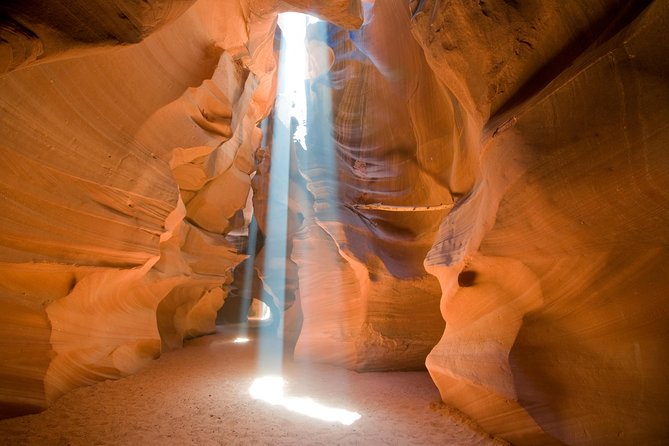
The timing matters too. If you go in cooler months, you might miss the famous Antelope Canyon light beams, because that effect depends on the sun angle. Still, even without the beams, the canyon walls turn into glowing color bands, and that Navajo-led guide time is what makes it more than just a scenic stop.
In This Review
- Key Points at a Glance
- Driving from Sedona or Flagstaff: the Day Starts Before Page
- Cameron Trading Post Stop: the Quick Stretch That Saves the Day
- Horseshoe Bend: the Iconic View, Done at a Human Pace
- Upper Antelope Canyon with Navajo Guidance: Where the Color Shows Up
- Light beams are not guaranteed
- Footing and effort: moderate, but real
- Glen Canyon Dam Overlook: the Scenic Reset Before the Long Ride Home
- The Real Value: Price, Time, and What You Get for It
- The trade-off is time in the van
- Lunch: plan for food time
- What to Wear and Bring so the Day Feels Easy
- Guides and Pacing: How the Day Stays on Track
- Should You Book This Antelope Canyon and Horseshoe Bend Tour?
- FAQ
- How long is the tour from Sedona compared to Flagstaff?
- What is included in the tour?
- Is Antelope Canyon a walking tour?
- Will I see the Antelope Canyon light beams?
- What should I wear or bring?
- Do I need a car seat for a child?
- What happens if the tour is canceled due to weather?
Key Points at a Glance
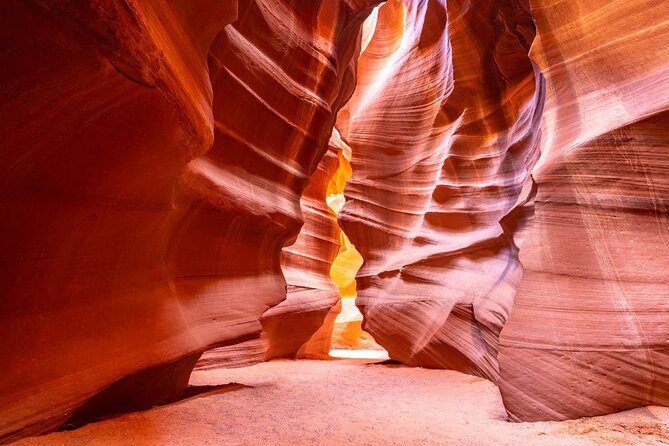
- Navajo guide for Upper Antelope Canyon: you get stories and picture help, not just a walk-through
- Small-group van: usually no more than 10 people, with up to 12 in some cases
- Stop smart on the route: Horseshoe Bend overlook + Glen Canyon Dam viewing points
- Hands-on photo support: phone camera help is a big part of the canyon experience
- Comfort built into the day: climate-controlled vehicle and bottled water included
Driving from Sedona or Flagstaff: the Day Starts Before Page
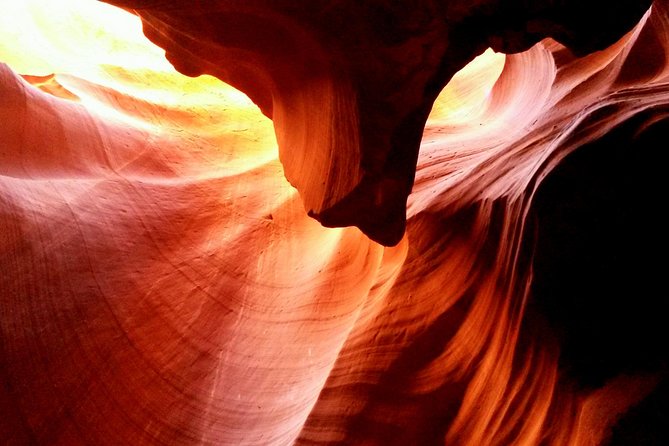
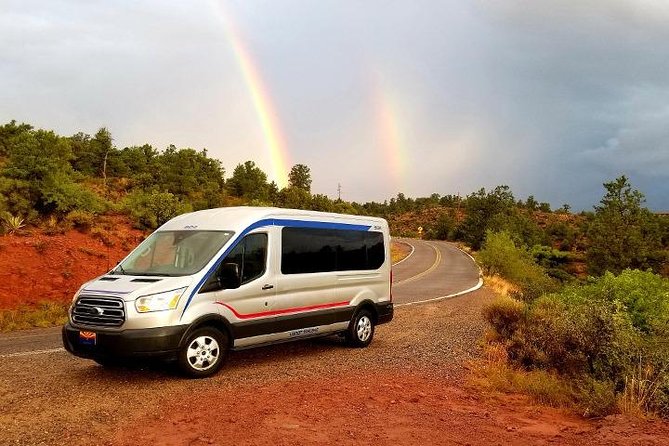
This is a road trip day, and the best part is that you do not have to plan it. You get hotel pickup from Sedona or Flagstaff and ride in an air-conditioned mini-coach, heading toward Page through the Navajo Nation. Expect about 150 miles (240 km) of scenery and narration before you even reach the canyons.
From Sedona, the tour typically runs about 11.5 hours (depart around 6:00–6:30am, return around 5:30–6:00pm). From Flagstaff, it is closer to 9.5 hours (depart around 7:00–7:30am, return around 4:30–5:00pm). That difference matters. If you are short on time, Flagstaff is the easier start. If you want a longer Arizona road day, Sedona gives you that.
You can also read our reviews of more tours and experiences in Sedona.
Cameron Trading Post Stop: the Quick Stretch That Saves the Day
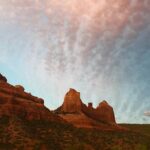
One stop is built in at the Cameron Trading Post, with a break of about 15 minutes. The admission for this stop is listed as free, so you are not paying to use the time. Use it for a bathroom break, a quick snack, or just a chance to reset your brain before the canyon and Horseshoe Bend timing ramps up.
This is also a good moment for practical prep. If you want to switch shoes, refill water bottles, or grab a light layer, do it here. Inside Antelope Canyon, the air can feel cooler than the outside desert, and you will appreciate arriving with your gear ready.
Horseshoe Bend: the Iconic View, Done at a Human Pace
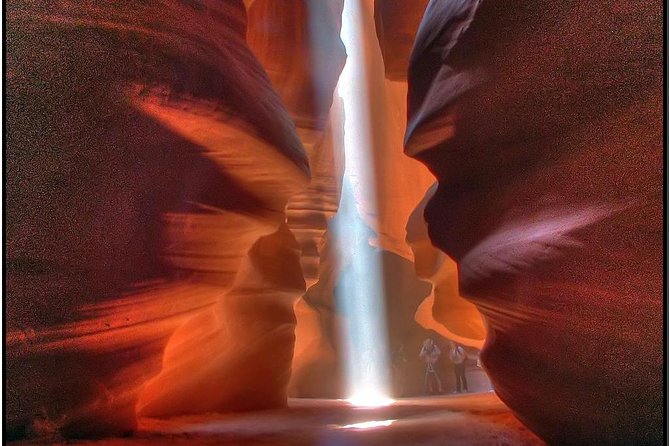
Next comes Horseshoe Bend, with about 30 minutes at the scenic overlook. You are looking at the Colorado River cutting a dramatic bend through the rock, and it is one of those views that feels instantly familiar once you see it in person.
The best value here is timing and guidance. You do not have to navigate parking, crowd flow, or bus lines on your own. You show up, you get the viewpoint time, and you keep moving. If you are the type who likes to stop, look up, and take a few photos before the group heads back, this time box feels fair.
A quick note if you plan your photos: light changes fast near the river bend. You will get time, but you still want to be ready to shoot quickly and then spend a little time just staring at the shape of the river.
Upper Antelope Canyon with Navajo Guidance: Where the Color Shows Up
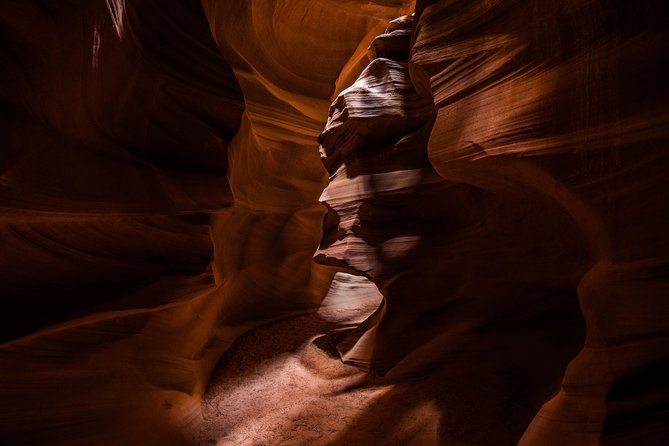
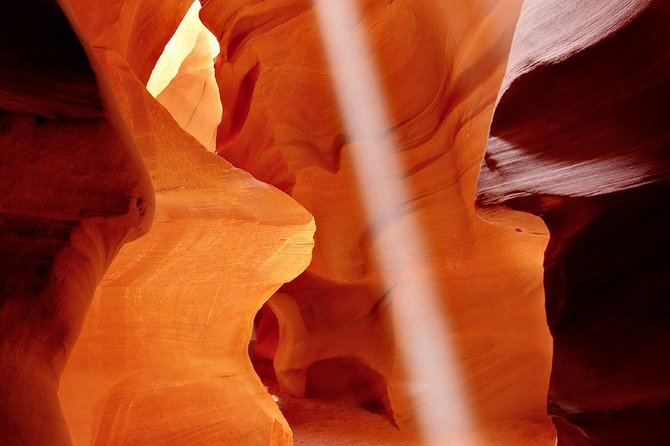
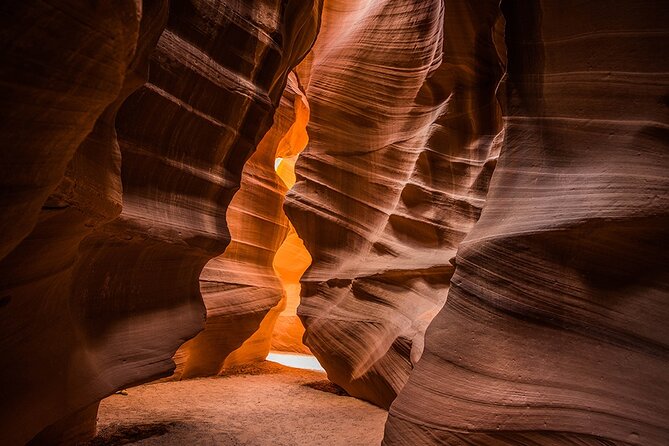
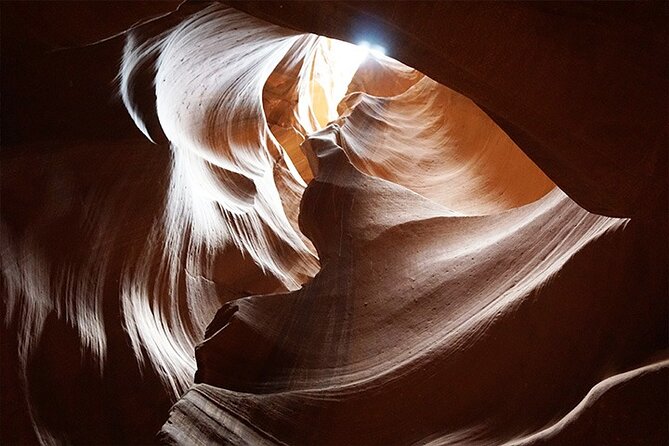
Now the main event: a 90-minute walking tour in Upper Antelope Canyon led by a Navajo guide. This is not a slow stroll with no instruction. You walk through narrow sandstone corridors where the walls can glow in reds, oranges, and yellows, depending on the light conditions that day.
Here is why the guide matters. A strong Navajo guide does more than point and explain. People talk about guides helping with phone photography and making sure you get the best angles without stressing out. In the canyon, the difference between average photos and great ones is often timing and positioning. A good guide helps you get both.
Light beams are not guaranteed
If you are chasing the famous light beams, plan for reality. One winter experience noted that there was no light beam on a January visit. The tour response pointed out the obvious truth: it depends on the rotation of the sun and seasonal timing. So, do not treat the beams like a promise. Treat the canyon color and wall formations as the guaranteed payoff.

Footing and effort: moderate, but real
This is listed as moderate physical fitness, and you do need good mobility for sandy, uneven terrain. Even if the canyon walk itself does not feel like a hike, the return can include a slight incline and stairs. One couple flagged the walk back as a bit challenging due to an incline for about 1/8 mile plus some steps. If you have knee issues or you hate uneven sand, wear supportive shoes and take your time.
Glen Canyon Dam Overlook: the Scenic Reset Before the Long Ride Home
After the canyon, the tour breaks again at the Glen Canyon Dam overlook for about 15 minutes. This stop is shorter by design, but it helps you connect the dots between the canyon systems and the broader Colorado River story. You get a quick view, you move on, and you keep energy for the ride back.
Think of this as a scenic reset. After the tight canyon passages, the dam overlook gives you room to breathe visually. It is also a good spot to do one last round of photos before the vehicle time eats into your evening.
The Real Value: Price, Time, and What You Get for It
At $311.97 per person, the price is not cheap. But it is built around the big costs: transportation from Sedona or Flagstaff, a professional guide, a Navajo-led canyon tour, and the small-group setup. You are also not spending your own time on routing, reservations, and driving logistics on desert roads.
What makes it feel like good value is that it removes the stress parts:
- you get hotel pickup and drop-off
- you ride in a climate-controlled vehicle
- you get bottled water throughout the day
- you have a guided 90-minute Antelope Canyon slot walk, not a self-guided scramble
- you get a canyon guide who helps with photos and positioning
The trade-off is time in the van
Most people who love this day agree on one thing: you are in the car a lot. One review specifically called out that the ride can be bumpy, and if you get motion sickness, take precautions. This tour includes comfort features, but physics still exists. If you are sensitive, bring ginger, motion bands, or whatever works for you.
Lunch: plan for food time
The tour info says you will stay fueled with an included box lunch, but the schedule also allots time for lunch on your own. In practice, plan to eat during the designated meal window and treat it like a normal road trip day, not a sit-down restaurant experience.
What to Wear and Bring so the Day Feels Easy
This trip rewards simple preparation. Wear casual, comfortable clothing like jeans or shorts and comfortable walking shoes. Layering is smart, especially in winter months. A light jacket can help during the slot canyon walk, where the temperature can feel cooler than the desert outside.
Bring:
- sun protection (the desert sun hits hard even when it is cooler)
- a light layer for canyon temps
- a charged phone and spare battery if you rely on photos
- any personal meds you need for long travel
Also note the tour rules: no service dogs are listed, and children eight years and younger must have their own car seat/booster seat.
Guides and Pacing: How the Day Stays on Track
The pacing is a big part of why this tour gets such strong ratings. People highlight drivers who manage the schedule well, keep updates flowing, and handle logistics smoothly—especially around bathroom breaks and timing between sites. Names that came up in positive feedback include drivers such as Al, Brian, Burton, Kirt, Jason, Jeff, Jamie, and Lionel.
In the canyon, people consistently praise Navajo guides for story time and photo help. Navajo guides named in positive feedback include Leland, Beatrice, and Bernice, with emphasis on taking great pictures and sharing history and beauty of the canyon walls. Even when the day feels busy, the best guides make it feel organized instead of rushed.
Should You Book This Antelope Canyon and Horseshoe Bend Tour?
You should book it if you want a one-day plan that is simple and guided. If you like the idea of showing up, walking into the canyon with a Navajo guide, then getting the Horseshoe Bend overlook without dealing with navigation and timing stress, this is a strong fit.
Skip it or consider alternatives if:
- long van time will drain you, especially if you are prone to motion sickness
- stairs and uneven sandy terrain are a problem for you
- you are strictly chasing light beams and will be disappointed if they do not show up (season matters)
For most people, this tour hits the sweet spot: small-group comfort, meaningful guidance in Upper Antelope Canyon, and a day that feels like it was organized by people who care about the flow of the experience.
FAQ
How long is the tour from Sedona compared to Flagstaff?
From Sedona, it runs about 11.5 hours, departing around 6:00–6:30am and returning around 5:30–6:00pm. From Flagstaff, it runs about 9.5 hours, departing around 7:00–7:30am and returning around 4:30–5:00pm.
What is included in the tour?
Inclusions list hotel pickup/drop-off, air-conditioned transportation, a professional guide, a 90-minute walking tour in Upper Antelope Canyon with a Navajo guide, bottled water, and a box lunch. Horseshoe Bend is included, as is the canyon tour.
Is Antelope Canyon a walking tour?
Yes. The Upper Antelope Canyon portion is a 90-minute walking tour on sandy, uneven terrain.
Will I see the Antelope Canyon light beams?
Light beams are not guaranteed. Seasonal sun angle affects whether you get the classic beam effect, and a winter visit noted there were no light beams.
What should I wear or bring?
Wear casual, comfortable clothing and plan for layered warmth in winter. Comfortable walking shoes are important. A light jacket can help in the slot canyon, and you should be ready for sun exposure outside.
Do I need a car seat for a child?
Yes. Arizona state law requires children eight years and younger to be in a car seat/booster seat, and you are required to provide it yourself.
What happens if the tour is canceled due to weather?
This experience requires good weather. If it is canceled due to poor weather, you will be offered a different date or a full refund.