REVIEW · SEDONA
Sedona Stargazing Tours LLC
Book on Viator →Operated by Sedona Star Gazing · Bookable on Viator
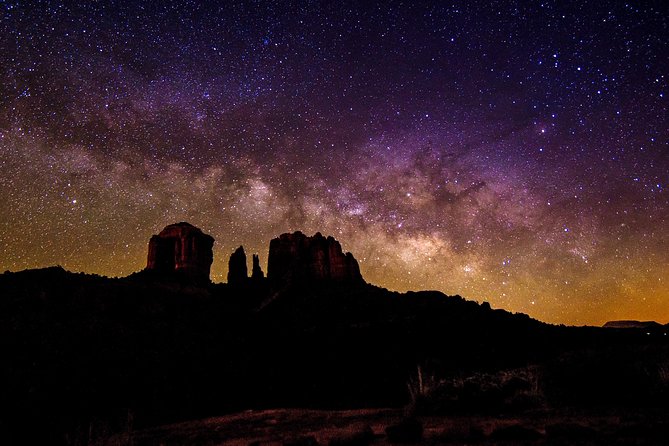
Sedona at night feels like a reset button. This private stargazing experience sends you outside Sedona toward the darker Oak Creek skies for an up-close tour of the solar system and deep-sky targets—planets, star clusters, distant galaxies—guided by astronomers at the telescope. I especially love how the night feels structured without being stiff: you get quick constellation orientation with a laser pointer, then it’s hands-on telescope time, not a lecture from afar.
My second favorite part is the pacing. Between telescope turns, you can sit back in a comfortable chair and use your own wide-view binoculars, plus ask questions whenever something catches your eye. One consideration: sky conditions matter. A bright moon or cloud cover can reduce what you’ll see, even though the guides still do their best to show clear, high-impact targets.
In This Review
- Key Highlights You’ll Actually Care About
- Why Oak Creek Skies Make Sedona Stargazing Different
- The 1-Hour-Plus Plan: From Arrival to Telescope Turns
- Getting oriented at the start
- Telescope time (with help from the computer)
- Binocular breaks so you stay part of the night
- Telescope Views: What You Can Expect to See
- Planets and the wow factor
- Deep-sky objects (and what moonlight can do)
- Constellation Walkthroughs With Real Explanations (Not Guesswork)
- Comfort Matters: Chairs, Blankets, Binoculars, and Layers
- Private Tour Timing: Sunset-Based Start and a Small Reality Check
- Price and Value: Is $89 Worth It?
- Who This Tour Fits Best (and Who Might Want Something Different)
- Should You Book Sedona Stargazing Tours LLC?
- FAQ
- How long is the Sedona stargazing tour?
- Is this stargazing tour private?
- Where do we meet for the tour?
- What language is the tour offered in?
- Do I receive a ticket on my phone?
- What will I be able to see through the telescopes?
- What if the weather is bad?
- What should I bring for cold nights?
Key Highlights You’ll Actually Care About
- GPS-assisted telescope positioning helps you find planets, stars, and deep-sky objects faster
- Laser pointers for constellations make the sky feel navigable, not random
- Your own wide-view binoculars and chair mean you’re not just waiting for the next telescope turn
- Pro astronomers guide the flow and keep the explanations tied to what you’re seeing
- Cold-season comfort is real: blankets and parkas were noted by multiple visitors
- Saturn is a frequent star attraction (rings and moons are commonly called out)
Why Oak Creek Skies Make Sedona Stargazing Different
Sedona gets plenty of attention for its red rocks. But at night, the real draw is the contrast: darker sky outside town makes stars pop more than you expect from a popular tourist hub. This tour is built around that idea. You’re sent to the observing area near Oak Creek, where conditions are usually better for seeing faint details.
The bigger win is that the experience doesn’t treat astronomy like a museum slideshow. You’re looking at the same objects your guide is explaining in real time. When someone points at a constellation shape first, then you watch it transform into a star field through a telescope, it sticks. That’s the main reason these tours feel worth your time.
There’s also something calming about the setting. Even in the middle of a busy travel itinerary, you get a slow, night-only focus. That makes the whole thing feel like a mini escape—one you can’t really replicate on your own back home.
You can also read our reviews of more tours and experiences in Sedona.
The 1-Hour-Plus Plan: From Arrival to Telescope Turns
This is roughly 1 hour 15 minutes, and it runs as a private activity. That matters because you’re not squeezed into a giant group rhythm. Your group takes turns at the telescopes, and your guide can adjust what you prioritize without the pressure of a set script for a busload of people.
Getting oriented at the start
You meet at the designated location near 3511 Verde Valley School Rd, Sedona, AZ 86351. From there, the guide brings you up to speed using a laser pointer—helping you connect the sky you’re seeing with the names and patterns used by astronomers.
If you want a quick example of why this step works: people specifically praise the way constellations and even zodiac names are explained alongside the sky positions. That combination helps you stop thinking of the night sky as a diagram and start reading it like a map.
Telescope time (with help from the computer)
After the overview, the core of the tour kicks in. You’ll cycle through the big telescopes with GPS auto position, which is exactly what you want on a short night outing. Instead of manually hunting for objects in the dark, the equipment helps lock on, then your guide refines the view so you can actually enjoy it—not just see a blurry dot.
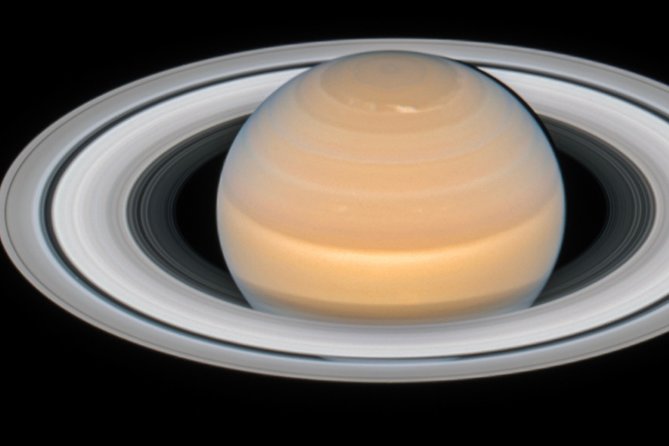
The targets are broad. You may be shown planets, stars, distant galaxies, nebulas, and star clusters. In practice, the most memorable moments often come from planets, especially Saturn, because the details feel like a miracle the first time you see them through the lens.
Binocular breaks so you stay part of the night
Between telescope turns, you’re not left standing around. You get wide-view binoculars and a comfortable chair. The goal is simple: keep you looking at the sky the whole time, not just during telescope sessions.
That also improves the experience because binocular viewing helps you appreciate the scale. Telescopes are for the punchy details. Binoculars help you keep context—how objects sit relative to the rest of the sky.



Telescope Views: What You Can Expect to See
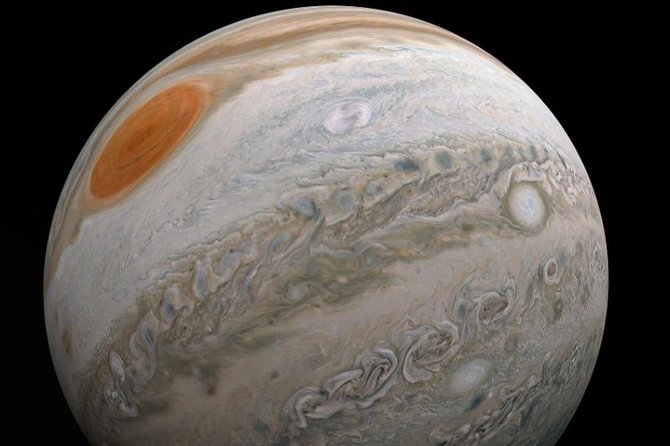
The equipment here is a major part of the value. Multiple visitors call the telescopes “good” or “very advanced,” and people keep returning to the same types of highlights: planets, the Moon, and deep-sky objects once the telescope locks on.
Planets and the wow factor
If you’re hoping for the classic showpiece moments, you’re in the right place. Saturn comes up repeatedly, including comments about seeing the rings and a moon in clear detail. People also mention spotting planets and getting guided context for where they are in the sky.
Even if you’re not a hardcore astronomy fan, planets are the easiest way to get that instant sense of discovery. You don’t need to know the sky beforehand. The guide does the translation for you, and the telescope does the magnifying.
Deep-sky objects (and what moonlight can do)
This tour aims to reach beyond planets. The promise includes distant galaxies, nebulas, and star clusters. Those can be stunning on a dark night—but here’s the honest part: moon phase matters.
A full moon or heavy cloud cover can brighten the sky and wash out faint targets. Some visitors still saw a lot under challenging conditions, but one review-style reality check is clear: if the moon is bright, your “how many things” count may drop. The guide’s skill helps, but physics still wins.
That’s also why the guides are careful about the night conditions. On the best nights, you’ll feel like you’re getting more than one type of celestial experience—you’ll get variety: bright objects for instant joy, plus faint ones for the slow “wait, what is that?” moments.
Constellation Walkthroughs With Real Explanations (Not Guesswork)
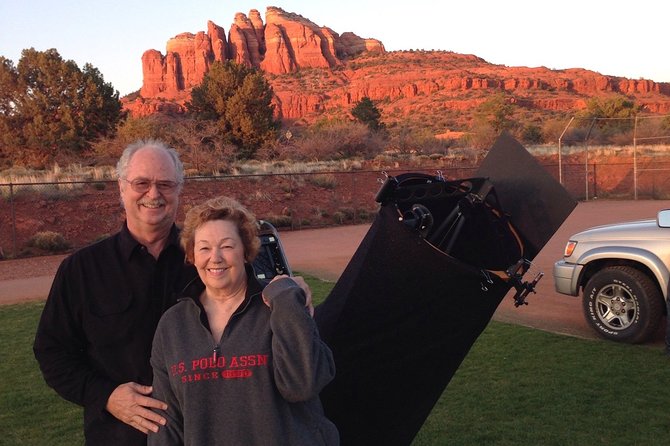
One thing I really like about this style of tour is the balance between “what you’re seeing” and “what it means.” The laser pointer start gives you constellation orientation, which lets you follow along without needing an astronomy app.
And it’s not just names. People mention star positions and zodiac explanations, and they praise guides for being story-driven. In the reviews, certain guide names show up again and again: Wes, Dave, Richard, and Mr. Sanders. That repeat recognition is a good sign. It means the staff isn’t just reading facts—they’re translating the night for non-experts.
If you ask questions, you’re also encouraged to. That turns the tour from passive viewing into something more personal. When you can say, I’m looking at that group of stars—what is it?—you get answers tailored to your exact view.
Comfort Matters: Chairs, Blankets, Binoculars, and Layers
This is the part that people remember after the lights go out. The tour doesn’t rely on “tough it out.” It’s built with guest comfort in mind.
You’ll have:
- A comfortable chair at the viewing area
- Wide-view binoculars provided for your breaks
- Warm extras in cold season, including blankets and parkas noted by visitors
If you’re visiting in winter or shoulder months, pack for it anyway. Even with blankets available, you’ll still be outside and sitting still. Cold isn’t just uncomfortable—it can make it harder to enjoy the fine focus moments when you finally get your turn at the telescope.
One more practical tip: arrive with a clear plan to keep your extremities warm. Your best stargazing will happen when your body feels settled enough to look up and stay focused.
Private Tour Timing: Sunset-Based Start and a Small Reality Check
The start time can vary depending on the sky. One guest shared an example where the ticket start time listed later, but updated arrival instructions expected an earlier check-in tied to sunset and conditions. That’s common for stargazing, because the “best viewing window” doesn’t always match a default time on a listing.
So here’s how to treat timing like a pro:
- Be ready to arrive before the viewing window rather than right at the printed start time
- Watch for updated arrival details by email after booking
- If you get a check-in time message that differs from what you expected, follow the updated instruction
If you show up early, you’ll settle in faster, get oriented without rushing, and you won’t spend your first telescope turn bouncing your feet from impatience.
Price and Value: Is $89 Worth It?
At $89 per person for about 1 hour 15 minutes, this isn’t the cheapest activity in Sedona. But it does feel priced like a specialized experience: small, guided, telescope-based astronomy outside.
Here’s what makes the value hold up:
- You’re paying for professional astronomer interpretation
- The telescopes include GPS auto positioning, which saves time and improves what you can see in a short window
- You get binoculars and a comfortable setup, so you’re not just waiting for your turn
- It’s private to your group, which generally means a more personalized night and fewer distractions
For families, couples, and anyone who wants more than a generic “see the stars” moment, the price can feel fair because the experience is tightly focused. You don’t have to become an astronomy expert. The tour does the heavy lifting—finding objects and translating them into something you can actually understand.
Who This Tour Fits Best (and Who Might Want Something Different)
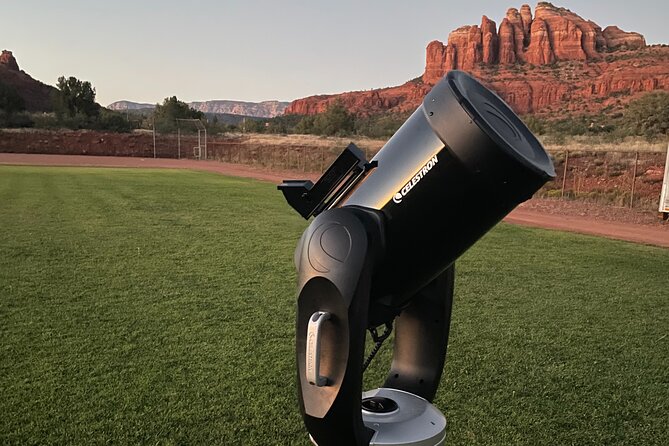
This tour is a strong match if you:
- Want a guided stargazing experience with clear explanations
- Care about seeing planets and getting help finding them
- Prefer an organized night outing where you still get personal attention
- Travel with kids and want a setup that’s designed for the whole group to enjoy
It may feel less perfect if:
- You expect stargazing to be guaranteed regardless of conditions. It’s weather-dependent, and moonlight can change the show.
- You’re looking for a long deep-sky astrophotography session. This is built for guided viewing and education in a short time block.
For most people, though, this hits the sweet spot: memorable views, human explanations, and a comfortable pace.
Should You Book Sedona Stargazing Tours LLC?
If you want one “Sedona night” experience that actually gives you something to look forward to, I’d book it. The combination of laser-guided constellation orientation, telescope viewing with GPS auto positioning, and frequent planetary highlights like Saturn makes it easy to recommend, even if you’re not an astronomy person.
Just be smart about expectations. Plan for cold comfort, and remember that bright moon and clouds can limit faint targets. If the sky cooperates, you’ll come away with a much more confident feeling about the night sky than you started with—and a real sense of how much you can see when someone helps you aim.
FAQ
How long is the Sedona stargazing tour?
The tour lasts about 1 hour 15 minutes.
Is this stargazing tour private?
Yes. It’s a private tour/activity, and only your group participates.
Where do we meet for the tour?
The start is at 3511 Verde Valley School Rd, Sedona, AZ 86351, USA, and it ends back at the meeting point.
What language is the tour offered in?
The tour is offered in English.
Do I receive a ticket on my phone?
Yes. It includes a mobile ticket.
What will I be able to see through the telescopes?
The tour is set up for viewing things like planets, stars, distant galaxies, nebulas, and star clusters. Saturn is a commonly mentioned highlight, and the Moon also comes up.
What if the weather is bad?
This experience requires good weather. If it’s canceled due to poor weather, you’ll be offered a different date or a full refund.
What should I bring for cold nights?
Bring layers, because it can get chilly. Blankets and parkas were specifically mentioned by visitors during winter conditions, but dressing warm will still help.