REVIEW · SEDONA
Perfect Grand Canyon Tour: Local Guides & Skip The Lines
Book on GetYourGuide →Operated by Scenic Sedona Tours LLC · Bookable on GetYourGuide
Rim views start before you arrive. This Sedona-to-South-Rim day trip turns a long drive into a guided story of Oak Creek Canyon and the Hopi presence before you ever step up to the overlooks. I really like the skip-the-line South Rim plan paired with photo-friendly stops like Kolb Studio, and I also love that the day includes meaningful Native places, not just look-and-snap viewpoints. One thing to think about: it is a full 9-hour push, so you’ll spend less time lingering at each viewpoint than if you were doing it on your own.
What makes it feel different is the rhythm. You get a real stretch-and-lunch moment in Flagstaff, a long, scenic descent into Grand Canyon country, then a tight set of major South Rim hits with built-in context from the guide.
And the guide factor is real. Reviews call out guides like Josiah, Ed, and Miguel for smooth logistics and standout explanations, while Avery gets praised for desert storytelling and even sharing a legend about Kokopelli.
In This Review
- Key things I’d plan around
- From Sedona to the South Rim: the drive that does half the work
- Meeting at The Dragon’s Den and starting with an easy reset
- Flagstaff lunch at Kickstand Kafe: the part that makes the rim experience feel smoother
- Hopi House: a Native presence stop that teaches what you’re seeing
- South Rim power trio: Mather Point, Kolb Studio, and Kolb’s legacy
- Mary Colter’s Desert View Watchtower: 1932 meets the bigger story
- Yavapai Point and the Geology Museum: where you get answers for the rocks
- How the skip-the-line plan works in real life
- Price and value for $189: what you’re paying for
- Who this Sedona-to-Grand Canyon day trip suits best
- Should you book Perfect Grand Canyon Tour: Local Guides & Skip The Lines?
- FAQ
- How long is the Grand Canyon tour from Sedona?
- Where do I meet the tour in Sedona?
- Is Grand Canyon National Park admission included?
- What happens during the Flagstaff stop?
- Which South Rim viewpoints are included?
- Is lunch or food included?
- Is the tour wheelchair accessible, and what is the cancellation window?
Key things I’d plan around
- The 4,500-foot descent: You spend the morning dropping from the Mogollon Rim through sandstone canyons, which sets up the canyon views fast.
- Flagstaff break with to-go lunch: A stop at Kickstand Kafe for restroom, stretching, and lunch you’ll eat later with canyon views.
- Hopi House stop (Fred Harvey-era): A modeled pueblo place tied to local Native craft history.
- South Rim highlights in one run: Mather Point, Kolb Studio, Desert View Watchtower, and Yavapai Point are built into the day.
- Mary Colter’s Desert View Watchtower: You’ll get the architect story tied to the 1932 watchtower design.
- Separate entrance for skip-the-line: You avoid some of the busiest bottlenecks at the rim so you can see more.
From Sedona to the South Rim: the drive that does half the work
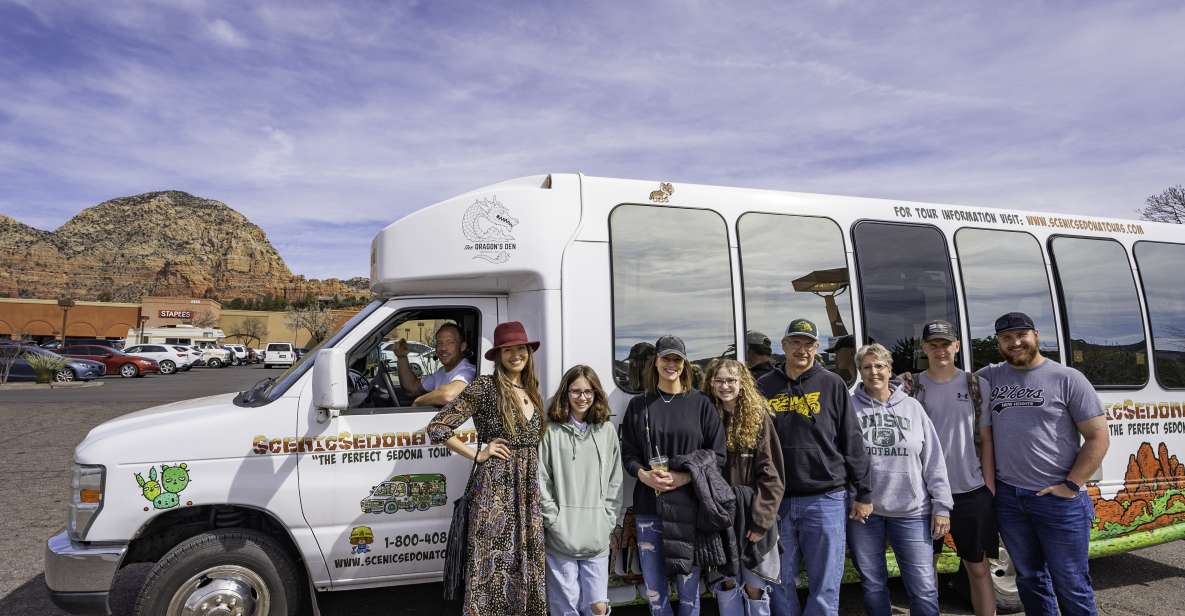
This tour is built around getting you to the South Rim without turning the day into pure transit stress. You’ll ride out of Sedona and down through the region’s dramatic canyons on Route 89A (Oak Creek Canyon Scenic Drive), a route known for constant changes in color and rock texture as you head toward Flagstaff.
The big win here is the scale of the drop: the scenic drive descends about 4,500 feet while winding through sandstone canyon walls. Even if you’ve seen photos of Grand Canyon country, this kind of gradual change in terrain helps you understand what you’re about to look into. It also makes the tour feel like more than a single stop at the rim.
Practical note: bring sunglasses and plan on sun. This is Arizona, and the daylight can feel intense even when it’s not scorching. Comfort matters, because the day is structured to keep moving.
You can also read our reviews of more tours and experiences in Sedona.
Meeting at The Dragon’s Den and starting with an easy reset
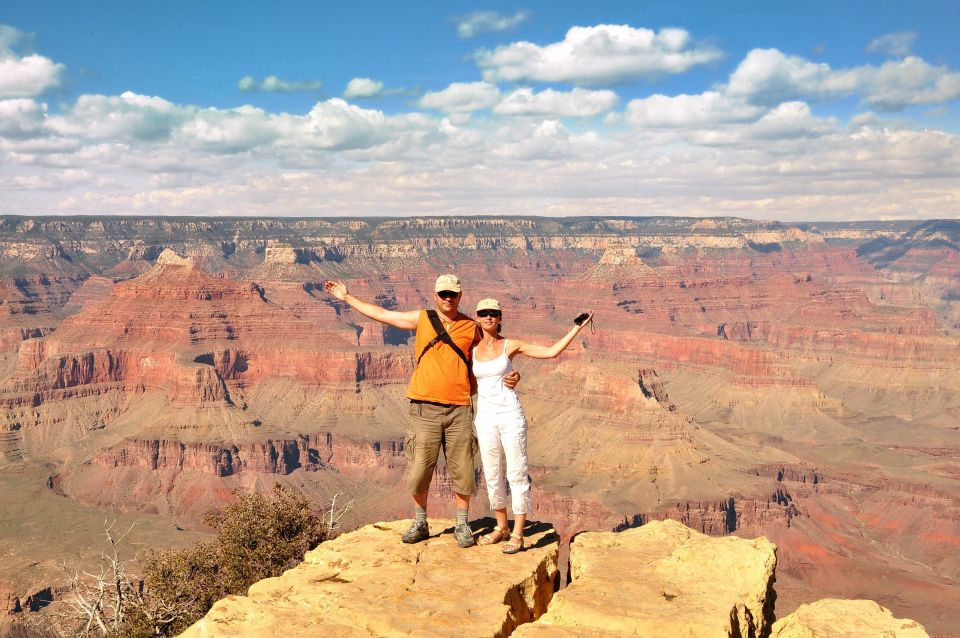
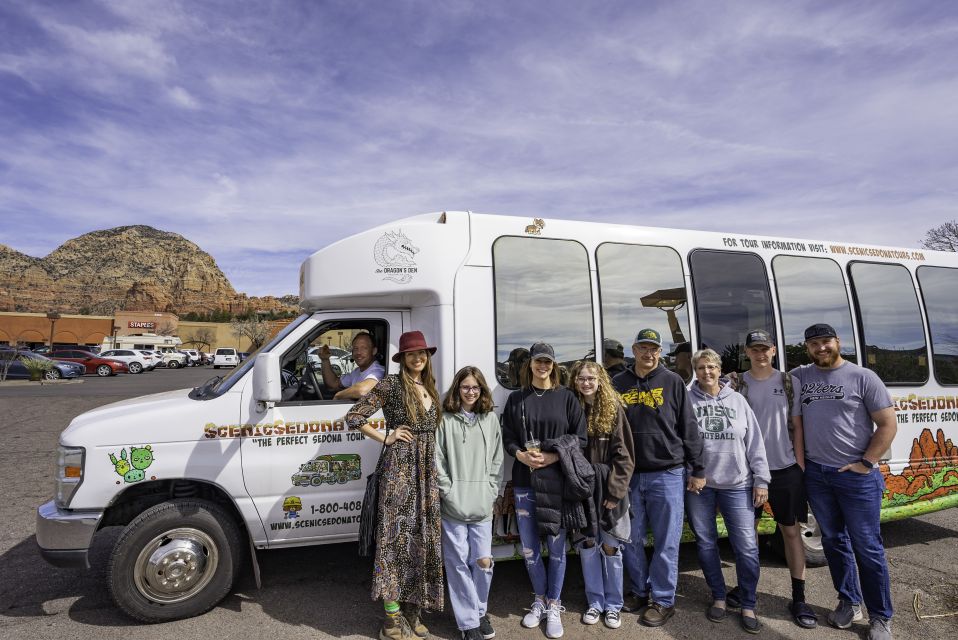
You meet inside The Dragon’s Den (1710 W State Route 89-A Unit 1) in Sedona, with free all-day parking in the lot. The “meet inside a store” setup is convenient because it’s an actual landmark, not a vague curb.
From there, the day launches with coach time and then the main scenic momentum begins. You’ll also have that helpful built-in reset in Flagstaff, which I really value on day trips like this. It’s not just a schedule check; it’s time to stand up, use the restroom, and calm your body before you spend the rest of the day at overlooks.
Flagstaff lunch at Kickstand Kafe: the part that makes the rim experience feel smoother
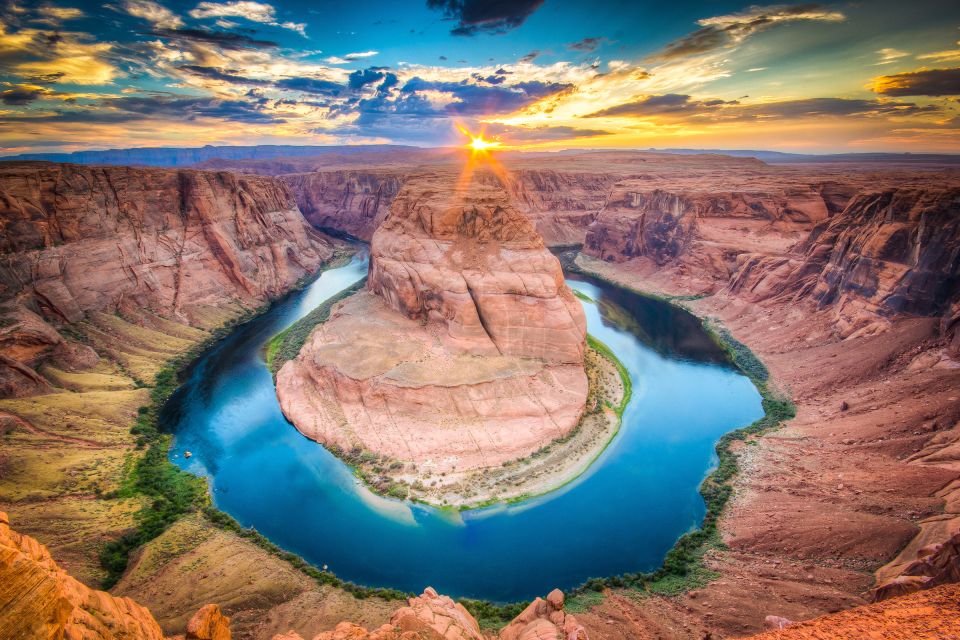
In Flagstaff, there’s a stop at Kickstand Kafe for about the kind of break that saves the whole day. You can stretch your legs, use the restroom, and grab a to-go lunch.
What I like about this approach is timing. Instead of waiting until you’re at the most crowded rim areas to hunt for food, you set yourself up early, then you can enjoy the canyon views while you eat. That matters because Grand Canyon sightseeing can be visually overwhelming, and having a calm meal moment helps you actually take things in.
Also, since the listing notes that food and drinks aren’t broadly included, treat that to-go lunch as your main meal plan and consider bringing water or buying drinks once you’re there. You don’t want your day to be decided by dehydration.
Hopi House: a Native presence stop that teaches what you’re seeing
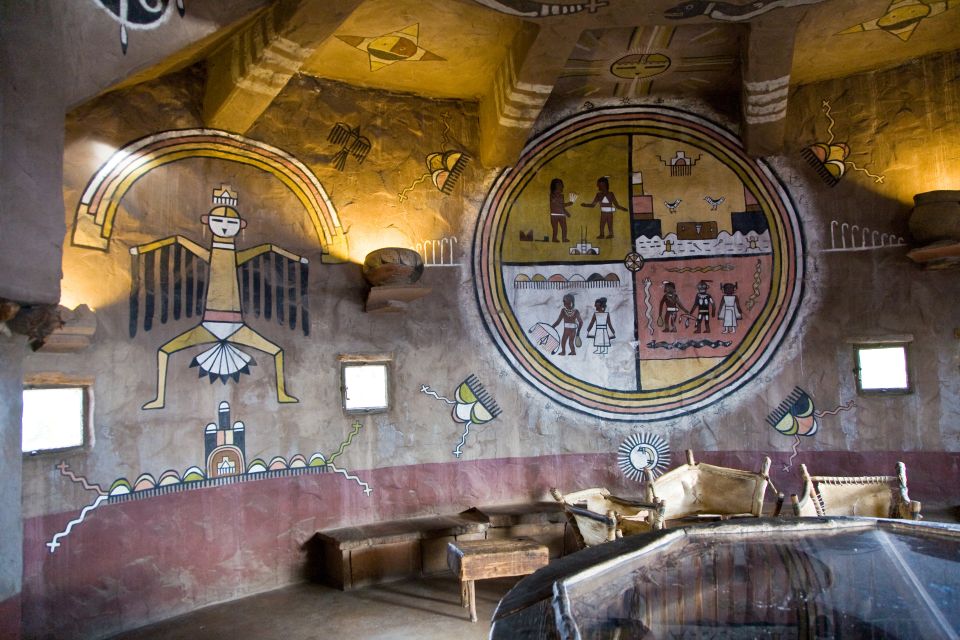
A common mistake on Grand Canyon tours is making every cultural stop feel like a quick souvenir detour. Here, HopI House is different. You’ll see a pueblo-style site modeled after the 1000-year-old Hopi dwellings, built by the Fred Harvey Company as a marketplace for Native American crafts made by artisans on site.
Even if you’re not a history person, this stop helps you frame the canyon as more than a geological wonder. It reminds you that people have lived around and with this landscape long before most visitors arrive, and it gives you language for what you’re likely to notice—patterns in structures, craft traditions, and the idea of place-based community.
One drawback to keep in mind: this is a “modeled after” experience, not the real thing in the way a living community would be. It can still be meaningful, but you’ll get the best out of it if you treat it as interpretation tied to a specific era of tourism and craft markets.
South Rim power trio: Mather Point, Kolb Studio, and Kolb’s legacy
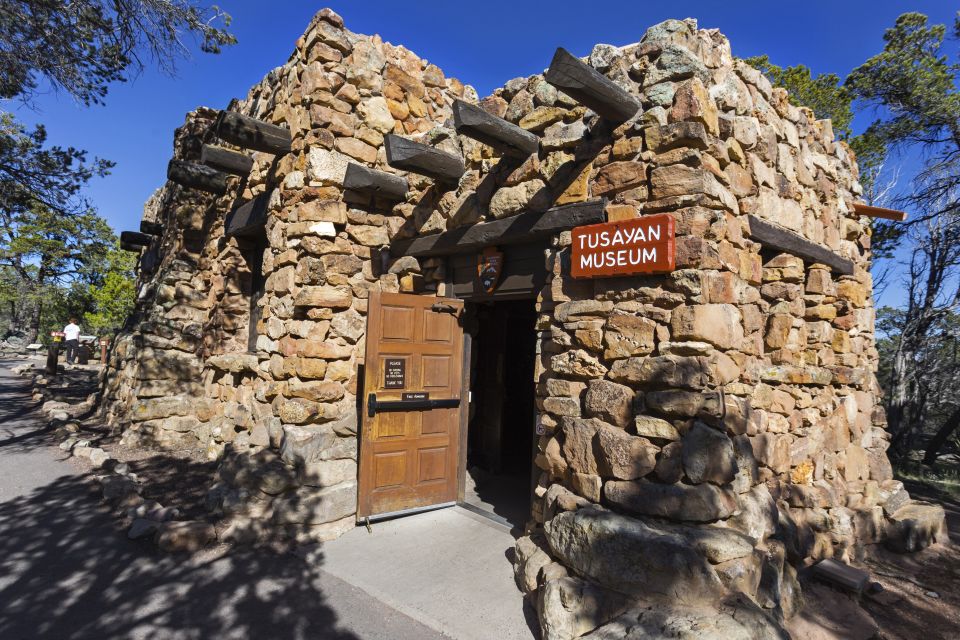
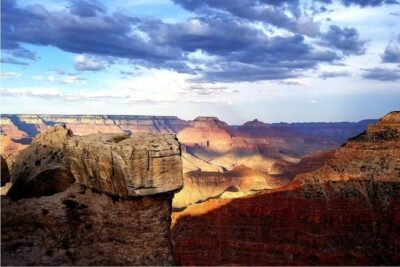
Once you’re at the rim, the tour focuses on classic South Rim stops that work well for first-timers. The first major wow moment is usually Mather Point. This is one of the earliest big glimpses from the visitor area—an expansive overlook that lets you see down into the canyon where trails crisscross the terrain.
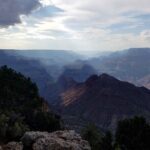
On a clear day, you can see 30+ miles to the east and 60+ miles to the west, plus hints of the Colorado River and Phantom Ranch far below. The value here is simple: Mather Point gives you a sense of scale fast. It’s a strong “get your bearings” stop, and it helps you understand later viewpoints like Yavapai Point or Desert View.
Then you’ll go to Kolb Photography Studio, and this stop has more depth than it looks like from outside. At first glance it can seem like just a rim house, but inside you learn it’s tied to the Kolb Brothers—their adventure and exploration story, and a lasting family legacy connected to Grand Canyon discovery. You also get that sense of the home’s connection to the canyon views, including how it frames perspectives from above.
Practical tip: if photography matters to you, Kolb Studio is one of the places where the “right angle” feels obvious once you’re there. Wear shoes you can stand in; you’ll likely shift positions for photos.

Mary Colter’s Desert View Watchtower: 1932 meets the bigger story
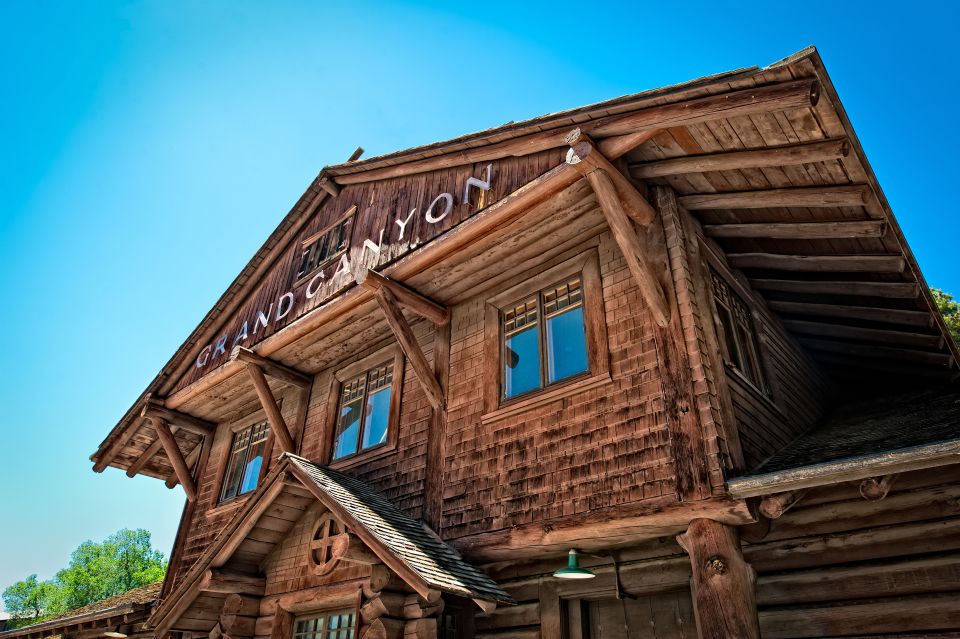
After the classic rim views, you get a stop that feels like it belongs to the Southwest in a specific architectural way: Desert View Watchtower. It was constructed in 1932 and designed by Mary Colter, who’s often referred to as the Architect of the Southwest.
This matters because it turns the canyon viewing into also a design lesson. The watchtower’s location is described as near the eastern edge of the park, around where the Colorado River begins to turn north and toward the Painted Desert stretching toward the Navajo and Hopi Reservations. That description isn’t just trivia. It helps you understand why the view from Desert View feels so broad and why the canyon’s edges seem to keep going.
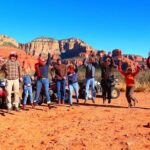
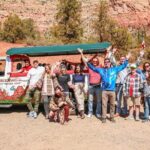
If you like group photo stops, this is the kind of place where the whole bus naturally gathers and tries the same angles. It’s efficient and fun, and the watchtower itself adds structure to your photos—something plain rim railings don’t.
Yavapai Point and the Geology Museum: where you get answers for the rocks
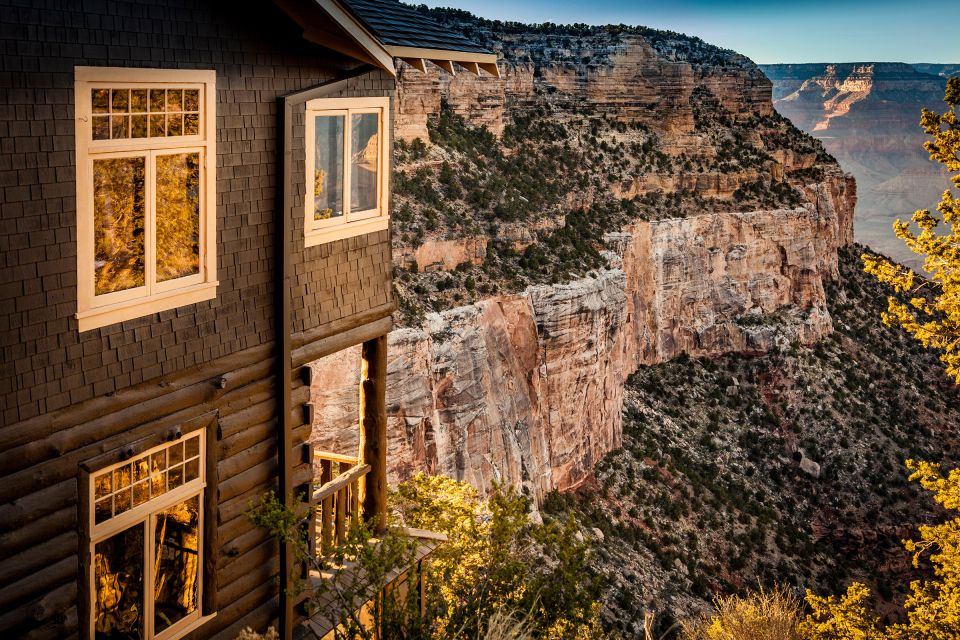
One of the most practical stops on this tour is Yavapai Point with the Yavapai Geology Museum. The big reason to care: Yavapai Point is perched right on the edge, and the geology museum setting helps you look at the canyon with a bit more understanding of what you’re seeing.
You get an overview of Grand Canyon geology, which is ideal if you’ve ever stared at the canyon and thought, I can see layers, but I don’t know what they mean. The guided context makes it easier to connect visual clues—strata, erosion, and the canyon’s shape—to explanations that stick.
Reviews also back up this kind of rock-to-story approach. One review specifically praised a guide with geologist training for thorough explanations, which is a strong sign that you won’t just get a few generic facts.
If you’re sensitive to heights or standing long periods, plan your comfort here. The point is on the rim edge, and you’ll want to control where you stand rather than letting the crowd pull you around.
How the skip-the-line plan works in real life
This tour explicitly offers skip-the-line access via a separate entrance, plus it avoids the chaos of parking lots and crowd tangles by using a guided routing plan. In practical terms, it means less time waiting and more time actually walking to viewpoints while your day is still fresh.
That said, skip-the-line doesn’t mean no crowds. Grand Canyon South Rim can still be busy, and the tour is intentionally packed with major stops. So expect a schedule that prioritizes seeing the big pieces over having long, quiet moments at every overlook.
If you’re the type who wants slow travel, fewer stops, and space to sit with a view, you might feel the pace. If you want the best “first Grand Canyon day” experience with the most stops in the least headache, this tour style fits well.
Price and value for $189: what you’re paying for
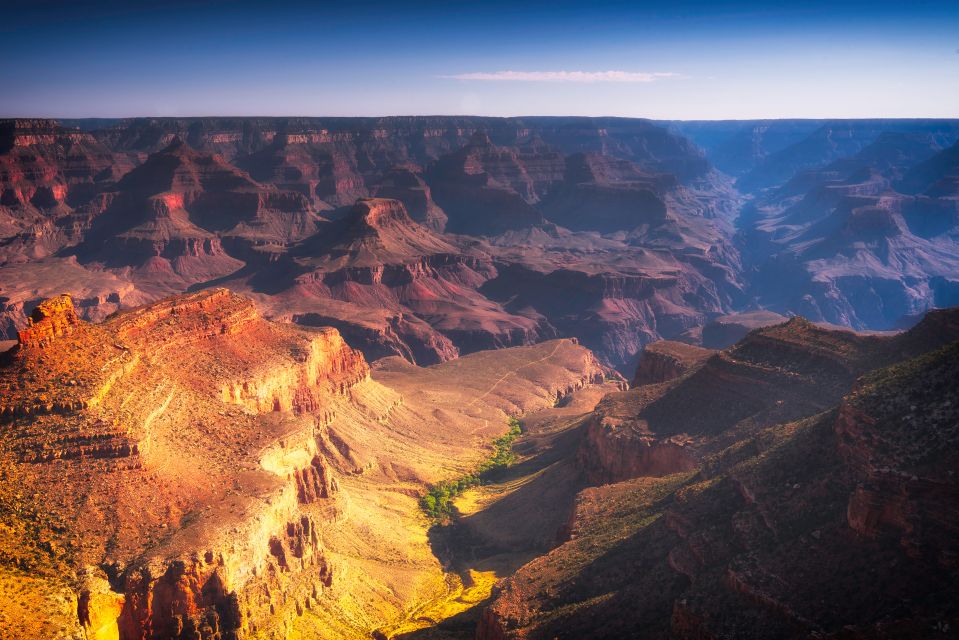
At $189 per person for a 9-hour day, you’re paying for three things that add up fast: transportation from Sedona, a guided route that cuts down on logistics, and a curated set of rim highlights.
The value angle is that you aren’t only buying transport. You’re buying the shape of the day. The tour is designed so you hit major stops like Mather Point, Kolb Studio, Desert View Watchtower, and Yavapai Point in one run, plus you’re getting the Hopi House context along the way.
Also, the to-go lunch plan (and the “outdoor group lunch” style described) helps keep the day moving without a scavenger hunt. Food and drinks aren’t broadly included, but having a planned lunch reduces decision fatigue.
Finally, the guide experience looks consistent across recent reviews: people praise photo help, smooth pacing, and story-based explanations. That’s not a small thing when you have limited time.
Who this Sedona-to-Grand Canyon day trip suits best
This is a great fit if you:
- Want a classic South Rim first visit without planning every turn
- Prefer having a guide build meaning around the stops (not just pointing and moving)
- Care about timing and efficiency, especially with skip-the-line access
- Travel with someone who might be less interested in hours of independent route planning
It’s also a strong choice for visitors who need help with logistics. One review highlighted that the driver went above and beyond to accommodate a disability, which is a good reminder that the operation can be flexible at the ground level.
Should you book Perfect Grand Canyon Tour: Local Guides & Skip The Lines?
If you want the Grand Canyon highlights in one day with less stress, I’d book it. The mix of major rim viewpoints, Hopi House, and a Mary Colter architectural stop gives you variety. Add in the separate entrance skip-the-line approach and you get a day that’s built for getting more views without spending hours stuck in lines.
The main reason you might not book: if you crave long pauses, slow walking, and lots of quiet time at each overlook, the 9-hour structure may feel too tight. But if your goal is a smart, story-driven first trip from Sedona, this checks the boxes.
FAQ
How long is the Grand Canyon tour from Sedona?
The tour duration is listed as 9 hours.
Where do I meet the tour in Sedona?
You meet inside The Dragon’s Den at 1710 W State Route 89-A Unit 1, Sedona, Arizona 86336.
Is Grand Canyon National Park admission included?
The provided details list Grand Canyon National Park admission as free for this experience (marked as an admission ticket free).
What happens during the Flagstaff stop?
You stop in Flagstaff at Kickstand Kafe to stretch your legs, use the restroom, and grab a to-go lunch to enjoy later while overlooking the Grand Canyon.
Which South Rim viewpoints are included?
The highlights include Mather Point, Kolb Photography Studio, Desert View Watchtower, and Yavapai Point with Yavapai Geology Museum.
Is lunch or food included?
There is an included outdoor group lunch / to-go lunch planned during the day, but the activity also lists food and drinks as not included, so you should plan for drinks separately.
Is the tour wheelchair accessible, and what is the cancellation window?
Yes, the tour is listed as wheelchair accessible. Cancellation is listed as free up to 24 hours in advance for a full refund.