REVIEW · SEDONA
Sedona: Stargazing Tour with Telescopes and Video Astronomy
Book on GetYourGuide →Operated by Night Owl Tours · Bookable on GetYourGuide
Sedona turns the night into a show. You get large aperture telescopes and 4K OLED video astronomy, so you’re not stuck only looking at the Moon and a few bright stars. It starts with guided sky facts, then shifts to what your eyes normally miss.
I love that you’re taught the sky in a way that actually sticks: constellations, bright stars, and Zodiac signs are pointed out with laser-style clarity. Second, I love that the tour uses two viewing styles—visual eyepieces for sharp objects, then video/assisted imaging for faint nebulae and galaxies that are hard to see unaided.
One key consideration: the experience depends on clear skies and good nighttime driving conditions. If storms or high winds roll in, the tour can be cancelled, and you’ll need to handle your own transportation to the dark-sky site.
In This Review
- Key Highlights You’ll Care About
- A 90-Minute Stargazing Reset Near Uptown Sedona
- Meeting the Astronomer and Finding the Right Dark-Sky Spot
- Constellations, Zodiac Stories, and Laser-Guided Star Patterns
- Big Telescopes: Moon, Planets, and Crisp Night-Sky Details
- Video Astronomy on a 4K OLED Screen: Color, Contrast, and Faint Targets
- What’s Most Likely to Show Up on Your Night
- Comfort, Clothing, and Night-Time Practicalities
- Weather, Cancellations, and the Clear-Sky “Reality Check”
- Price and Value: Why $125 Can Be Worth It
- Who This Tour Is Best For (and Who Should Skip It)
- Should You Book the Sedona Stargazing Tour?
- FAQ
- How long is the Sedona stargazing tour?
- How much does it cost?
- What can I see during the tour?
- Do I need my own transportation?
- What should I wear or bring?
- Will the tour run on cloudy nights?
- Is this suitable for young children?
- Is it wheelchair accessible?
Key Highlights You’ll Care About
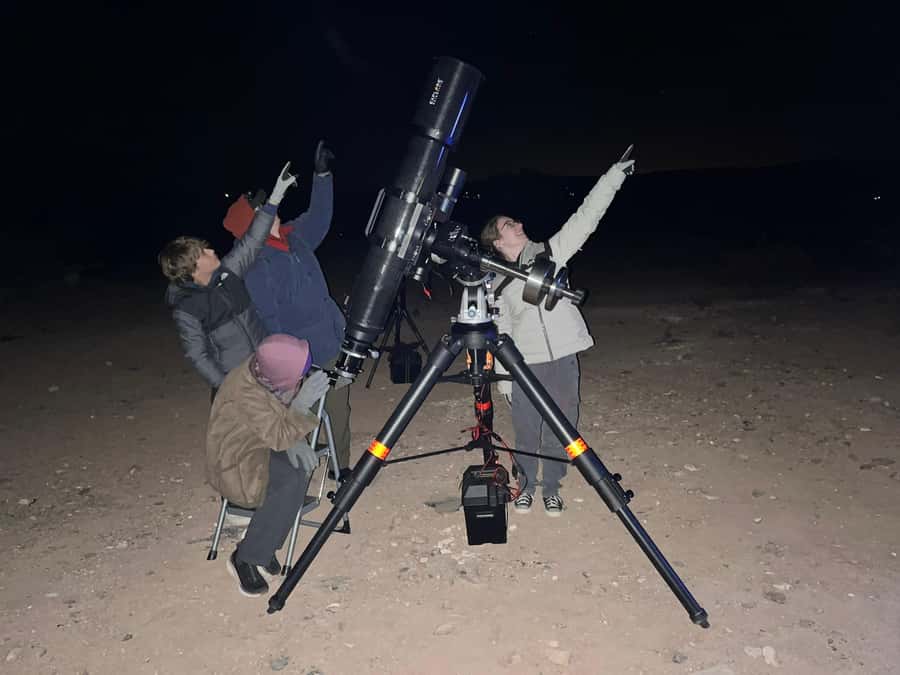
- 4K OLED video astronomy (EAA style) shows faint galaxies, nebulae, and dust structure that your eye would struggle to catch
- Big telescopes + premium eyepieces for the Moon, planets, double stars, and brighter deep-sky targets
- Constellation mapping with a laser plus mythology and fun history tied to what you’re seeing
- Dark-sky forest land access under a USFS permit, with meeting locations that can change by season
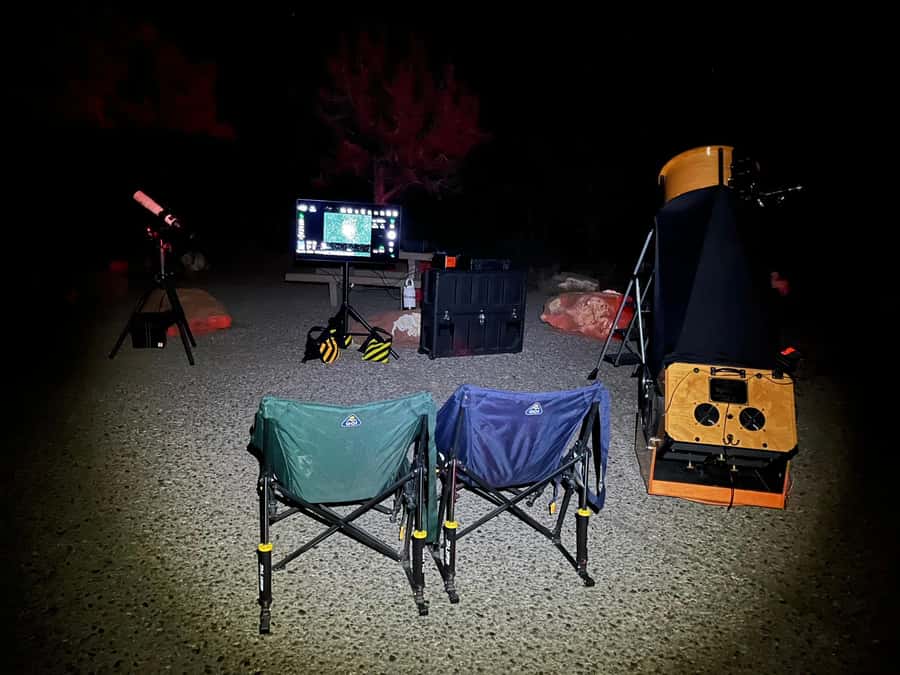
- Cozy viewing setup with padded chairs, blankets, and warm layers recommended for cold desert nights
A 90-Minute Stargazing Reset Near Uptown Sedona
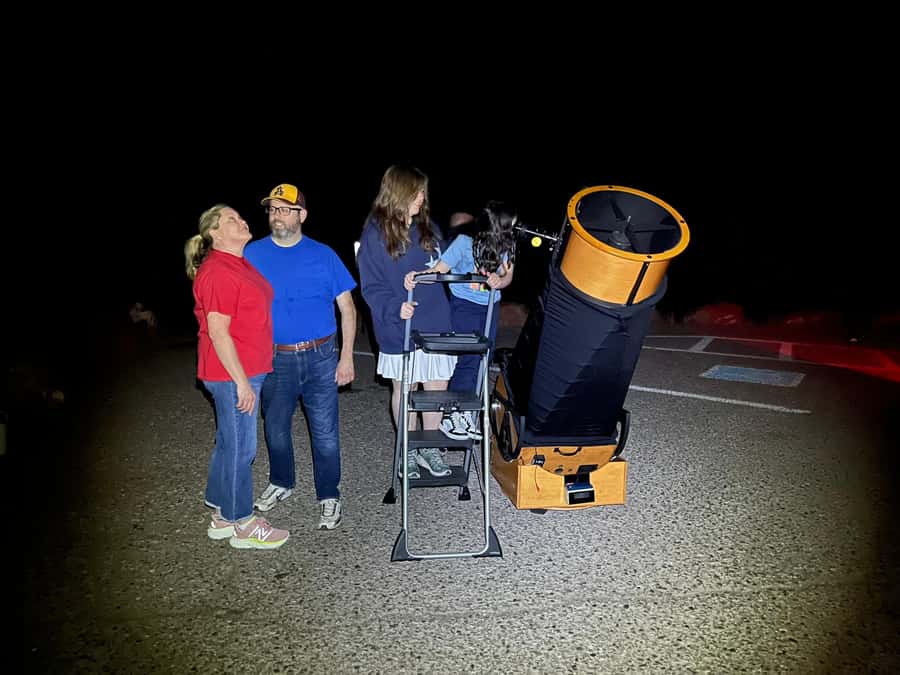
This is a tight, well-paced astronomy outing—90 minutes that doesn’t waste time. You meet your astronomer at an approved dark-sky spot on forest lands near Sedona (within about a half-hour drive of Uptown). That location detail matters: Sedona’s night sky changes fast depending on where you stand, so getting out toward darker land is the whole game.
The tour’s structure is simple in concept. First you get oriented—what you’re looking at and how to find it again later. Then you use high-end equipment to show you targets ranging from close-by solar system views to far more distant objects.
If you’re doing this after a busy day in Sedona, it’s also a nice change of pace. You’re not chasing viewpoints and lines; you’re sitting still and letting the sky do the work.
You can also read our reviews of more tours and experiences in Sedona.
Meeting the Astronomer and Finding the Right Dark-Sky Spot
Your pickup point isn’t a single fixed address. Access to the forest-land sites is granted under a USFS permit, and which exact area is used can vary seasonally. After booking, you get the specific meetup instructions—important because GPS can be spotty on back roads, especially around the final turns.
Practical tip: treat this like a “arrive early” situation. Even if the drive is short, night navigation is slower. One review noted a need for extra signage at a final right turn, so give yourself a buffer.
Once you arrive, you’re set up for viewing right away at the dark-sky site. The tour uses comfortable seating—padded chairs and blankets—so you can focus on the sky instead of shifting around to stay warm.
Constellations, Zodiac Stories, and Laser-Guided Star Patterns
The first phase is education, but not textbook-style. You start with a guided pass over the night sky—bright stars, constellations, and Zodiac signs. Your astronomer traces star patterns with a laser, then adds the human side: mythic stories and the names behind the shapes.
This part is valuable because it changes your entire experience of the rest of the tour. When you can identify a constellation quickly, everything feels more real. You’re not just watching random dots; you’re learning a map.
It’s also a great “first night under the stars” format. You don’t need prior astronomy skills. The guide explains what’s visible and what to look for, and then you build on that foundation as the night targets change.
During this time, you may also catch fun extras like meteors, passing artificial satellites, and the Milky Way if conditions allow. Those moments are brief, but they’re memorable because they’re unexpected sightings tied to the guide’s pointing and timing.
Big Telescopes: Moon, Planets, and Crisp Night-Sky Details
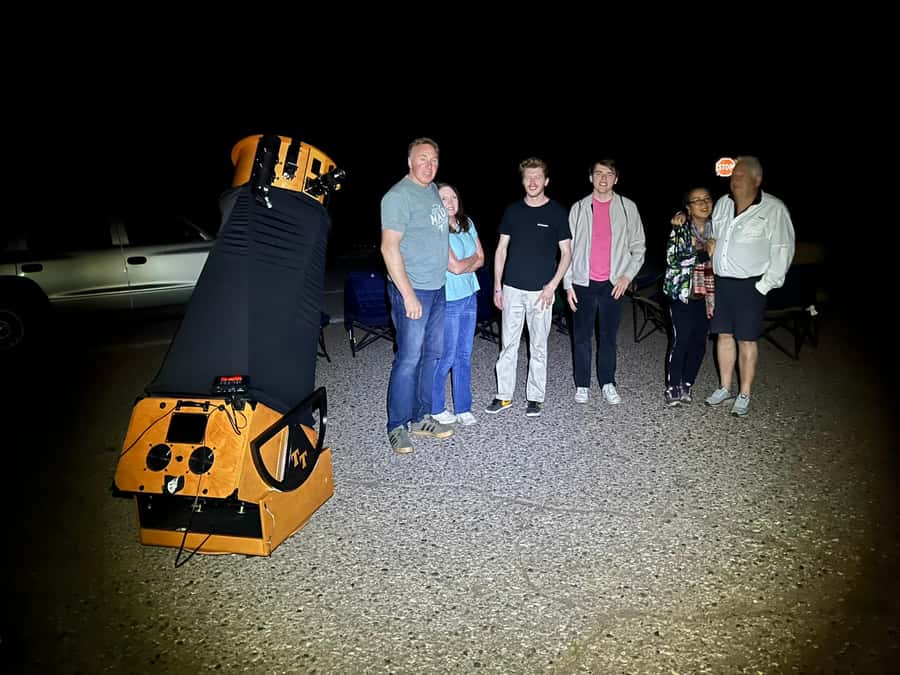
After orientation, the tour switches to objects you can see best with classic viewing. This is where the large aperture telescopes earn their keep.
A big chunk of visual viewing is focused on targets that reward clean optics:
- the Moon (always a crowd favorite)
- planets when visible
- double stars, which often look like tiny color-separated pairs
- brighter deep-sky objects that are within reach of standard telescope visuals
Why this method matters: your eyes see contrast and sharpness differently than video does. With eyepieces, you get a direct, immediate feel for scale—especially around planets and lunar features. It also helps you understand what astronomers mean by “seeing structure,” not just “seeing light.”
One practical benefit: visual sessions can be psychologically easier. If you’re cold or tired, looking through an eyepiece for short bursts feels simpler than staring at a screen. Then, when you’re ready, you shift to imaging.
Video Astronomy on a 4K OLED Screen: Color, Contrast, and Faint Targets
Here’s the part that often surprises people. For many deep-sky objects, even large telescopes don’t show enough detail to the human eye. That’s where the tour swaps to video astronomy—sometimes called electronically assisted astronomy (EAA).
Instead of relying only on the eye, the camera picks up faint light and streams a live view to a 4K OLED TV. Your astronomer adjusts settings and timing so you can see what’s actually there, including color and subtle structure that would be nearly invisible visually.
This is where you can get views like:
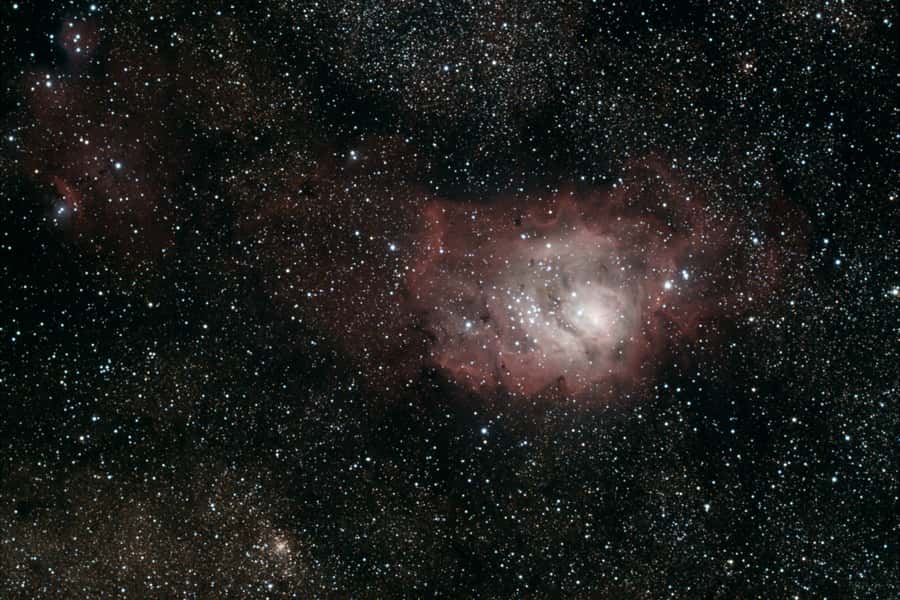
- the pinkish-red glow of hydrogen in stellar nurseries
- colorful remnants from dead stars (supernova remnants)
- dust structure around brighter clusters such as the Pleiades
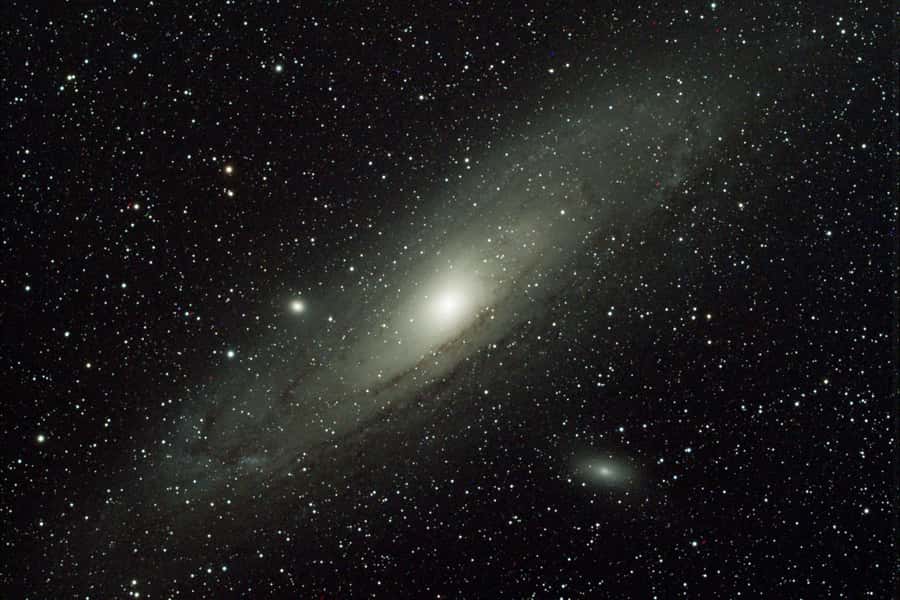
- dust lanes and fine detail in distant galaxies
You’re not just seeing “pretty pictures.” You’re seeing the sky in a way that matches how modern astronomy documents faint light—then you get to experience it in real time, on the screen, with a live guide explaining what’s what.
If you like tech, this is the payoff. If you don’t, it’s still worth it because the screen view is the bridge between “I can’t see it” and “now I can.”


What’s Most Likely to Show Up on Your Night
Astronomy is weather-dependent, and the exact targets depend on what’s up in the sky that evening. But the tour’s target mix is pretty clear from the experience design.
You can expect a combination of:
- Moon/planets during the visual telescope portion
- constellations and Zodiac in the guided orientation
- nebulae/galaxies via video astronomy on the 4K screen
- occasional “bonus” sky events like meteors and satellite passes, when luck and conditions align
One neat extra: your astronomer may discuss live imaging and could share images afterward. One detail from past participants noted that you can ask for a photo of what you viewed, which is a handy memory for sharing later.
Comfort, Clothing, and Night-Time Practicalities
Stargazing tours are comfortable only if you dress for reality. Desert nights near Sedona can feel cold fast once the sun drops. The tour specifically recommends warm clothing, including:
- jacket and long-sleeved shirt
- long pants
- closed-toe shoes and warm shoes
They also provide blankets and padded chairs, which helps a lot, but your body still needs layers. If you’re the type who feels chilly easily, bring extra warmth. It’ll make the whole 90 minutes smoother.
Another comfort note: the tour runs outdoors at night. The ground can be uneven, and the experience isn’t recommended for people with limited mobility or difficulty negotiating terrain after dark. If that describes you (or someone in your party), it’s safer to choose a different daytime attraction.
And yes, it’s nighttime driving. You’ll want closed-toe shoes for stability and to keep you from getting cranky when you stand up or shift positions.
Weather, Cancellations, and the Clear-Sky “Reality Check”
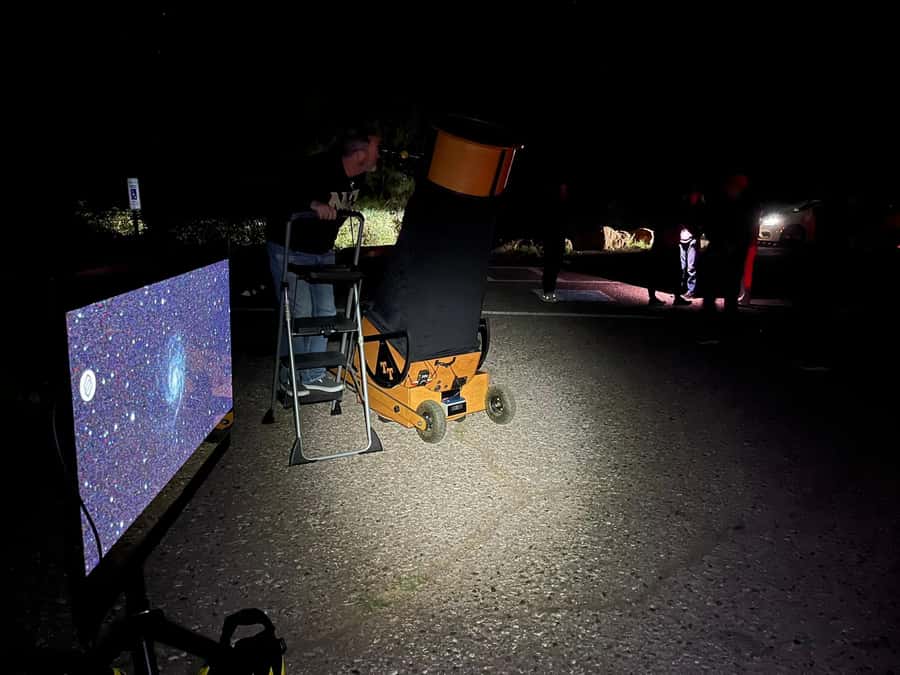
This tour takes place outdoors at night, and it needs clear conditions to work. Expect the operator to cancel if clouds roll in, and they may also cancel for dangerous conditions such as storms, flood warnings, or dangerously high winds.
The practical takeaway: this is a plan best paired with flexibility. If your schedule is set in stone and you hate losing a night due to weather, consider building a buffer day in Sedona.
Also, think about the drive. If you’re relying on a taxi or ride-share after a late evening event, it’s smart to reserve ahead. Night pick-ups can be a challenge, and you don’t want your trip ending with a long wait in the dark.
Price and Value: Why $125 Can Be Worth It
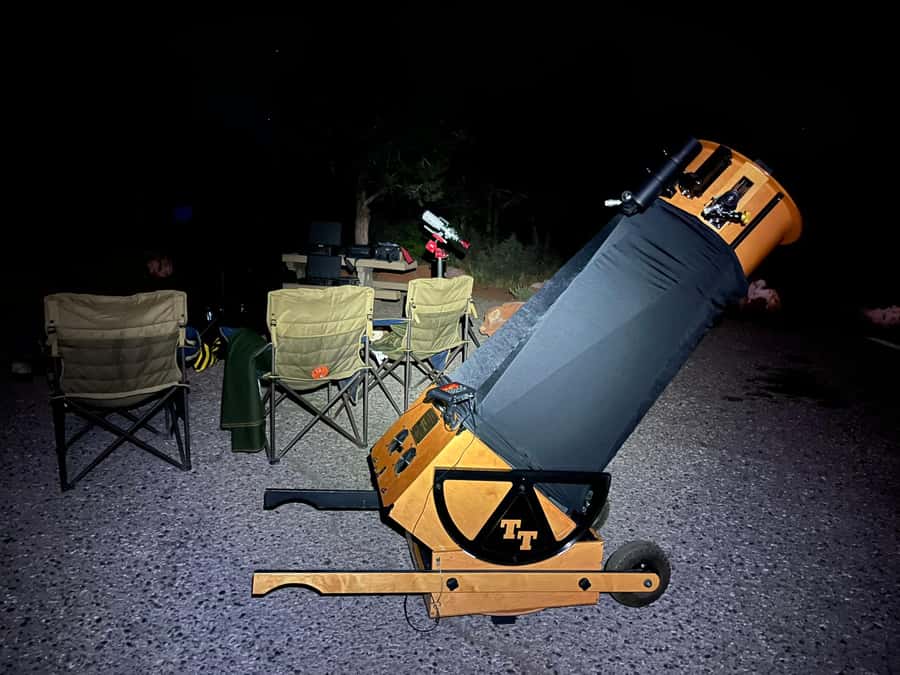
At $125 per person, you’re paying for more than “a telescope.” You’re paying for a guided, equipment-heavy astronomy setup in a dark area near Sedona.
Here’s what you’re getting for that money:
- premium large aperture telescopes with quality eyepieces
- a second viewing system for faint objects: video astronomy feeding a 4K OLED display
- guided constellation mapping with mythology and stories
- comfort support with padded chairs and blankets
- time efficiency: the whole experience is packed into 90 minutes
If you’ve never used a telescope before, this format can be a strong value. It’s structured, taught, and equipment-driven, so you’re not guessing what you’re looking at. If you’re more experienced, the video portion can still be a win, because it reveals targets that pure visual viewing often can’t show as clearly.
The main “cost” isn’t the ticket. It’s your time, clothing effort, and transportation planning. If you handle those pieces well, the price feels more like a premium astronomy lesson than a simple activity.
Who This Tour Is Best For (and Who Should Skip It)
This stargazing experience fits best if you:
- want a guided introduction to the sky, not just a telescope rental
- care about seeing faint objects like nebulae and galaxies, not only bright stars
- enjoy science explanations with a relaxed, fun vibe
- are traveling as a couple, family group, or solo visitor who likes calm evenings
It’s described as child-friendly, and people in the right age range can enjoy it—but it’s not suitable for children under 7. So if you’re traveling with younger kids, this one likely won’t work.
It’s also not recommended for wheelchair users and isn’t a good match for people with mobility impairments due to the outdoor nighttime terrain.
Finally, there are weight limits listed: it’s not suitable for people over 300 lbs (136 kg). That’s important for comfort and safe seating.
Should You Book the Sedona Stargazing Tour?
I’d book it if you want the best of both worlds: classic telescope views plus the modern trick of video astronomy that makes faint nebulae and galaxies visible in real time. You’ll learn constellations and Zodiac stories early, then you’ll see objects that match that learning with actual telescope time.
Skip it (or choose something else) if you need wheelchair access, can’t handle uneven terrain at night, or you know you can’t be flexible about weather and rescheduling. Also make sure you’re comfortable arranging your own transportation to a dark-sky forest site—this tour doesn’t include rides.
If your goal is an authentic, equipment-forward night under Sedona’s darker skies, this is one of the most direct ways to get there in just 90 minutes.
FAQ
How long is the Sedona stargazing tour?
It runs for 90 minutes.
How much does it cost?
The price is $125 per person.
What can I see during the tour?
You should expect a mix of constellations and Zodiac signs, plus views of the Moon, planets, and selected deep-sky objects. For faint targets, the tour uses video astronomy on a 4K OLED screen.
Do I need my own transportation?
Yes. Transportation to and from the dark sky site isn’t included, and you’re responsible for getting there.
What should I wear or bring?
Bring warm clothing like a jacket, long-sleeved shirt, long pants, and closed-toe warm shoes. The tour also provides blankets and padded chairs.
Will the tour run on cloudy nights?
Not necessarily. Stargazing requires clear conditions, and the tour may be cancelled due to cloudy weather or if conditions are dangerous (storms, flood warnings, or dangerously high winds).
Is this suitable for young children?
It’s not suitable for children under 7.
Is it wheelchair accessible?
No. It’s not recommended for people with limited mobility, and it’s specifically noted as not suitable for wheelchair users.