REVIEW · SEDONA
Antelope Canyon and Glen Canyon Scenic Day Trip from Sedona or Flagstaff
Book on Viator →Operated by Blue Feather Tours · Bookable on Viator
Canyon light before breakfast beats almost anything. This full-day route strings together Upper Antelope Canyon and Horseshoe Bend, plus big Glen Canyon views, with convenient hotel pickup and drop-off. I like that you get built-in stops for photos, breaks, and restroom time instead of doing the driving scramble yourself.
Two things I really like: first, the itinerary is designed around the best-known wow moments—especially that Antelope Canyon light people describe as the corkscrew. Second, the tour includes the key fees and taxes, so you aren’t stuck adding up entrance costs all day long. Hotel pickup and drop-off (within city limits) is a big deal when the day starts early.
One consideration: plan for a lot of walking on uneven, unpaved ground, plus stairs inside Antelope Canyon. If knees are an issue, you’ll want to think hard about the stairs and ramps before booking.
In This Review
- Key highlights worth planning for
- Sedona or Flagstaff Pickup: Why the Start Time Matters
- Cameron Trading Post Break: A Fast Reset Before the Big Views
- Horseshoe Bend: The Photo Stop That Adds Real Navajo Nation Views
- Upper Antelope Canyon: Where the Light Turns “Wow” Into Memory
- Glen Canyon Dam Overlook: A Softer Pace After the Slots
- Scenic Driving Stops: Getting Value Beyond the Main Attractions
- Lunch Time: The One Part You Should Double-Check
- Photo and Comfort Tips That Make the Day Easier
- Price and Value: What $311.97 Really Buys
- Who Should Book This Tour (and Who Might Want to Think Twice)
- Should You Book This Antelope & Glen Canyon Day Trip?
Key highlights worth planning for
- Early starts with hotel pickup so you’re not wrestling timing on your own
- Upper Antelope Canyon access with extended time inside the canyon
- Horseshoe Bend viewpoints plus extra scenic driving photo stops
- Small group size (max 14) for a less chaotic experience
- Stairs and uneven terrain that require you to be steady on your feet
- Lunch time is scheduled, but you should confirm whether it’s included or you’ll buy your own
Sedona or Flagstaff Pickup: Why the Start Time Matters
This is a long day that begins early—about 6:00–6:30 am out of Sedona (return roughly 5:30–6:00 pm) and 7:00–7:30 am out of Flagstaff (return roughly 4:30–5:00 pm). Those early hours aren’t just for efficiency. They help you fit in the canyon time, viewpoint time, and the long drive without turning the day into a rush.
Since pickup is included for Sedona, Village of Oak Creek, and Flagstaff hotel areas within city limits, you can use the van as your staging base. That means less parking stress, less navigation stress, and fewer chances to start the day cranky.
The trade-off is simple: you’ll be ready early, and you’ll likely want to pack a snack and water for the ride out. The day is scheduled around fixed stop times, so there’s not much room for late starts.
You can also read our reviews of more tours and experiences in Sedona
Cameron Trading Post Break: A Fast Reset Before the Big Views
Your first stop is Cameron Trading Post, with a quick 15-minute break. In a day like this, that short pause is more than a formality—it’s your chance to stretch, use the restroom, and grab something small before you head into long walking segments later.
It also helps you get your bearings. You’ll be moving from the higher-elevation area toward the canyon country, and having a short “reset” early keeps the later parts of the trip smoother.
There’s no admission ticket required for this stop, which is nice, and it keeps the early minutes focused on logistics rather than spending time figuring out where to go next.
Horseshoe Bend: The Photo Stop That Adds Real Navajo Nation Views
Next up is Horseshoe Bend, a classic overlook where you get that iconic bend in the river. The tour gives you about 30 minutes here—enough time to take photos, find a comfortable viewpoint spot, and enjoy the view without feeling like you have to sprint.
It’s also positioned for strong scenic impact. The drive is set so you’ll see edges of the Painted Desert, along with Vermillion Cliffs and Echo Cliffs. Even if the stops aren’t long, those roadside views add up, especially on a day when the canyon time is the main event.
Just know the fine print: Horseshoe Bend requires walking—about 3/4 mile each direction on packed dirt, with some uphill and downhill sections. That’s manageable for many people, but if you don’t like uneven ground or you’re short on stamina, it can be the first place where your legs start complaining.
Upper Antelope Canyon: Where the Light Turns “Wow” Into Memory
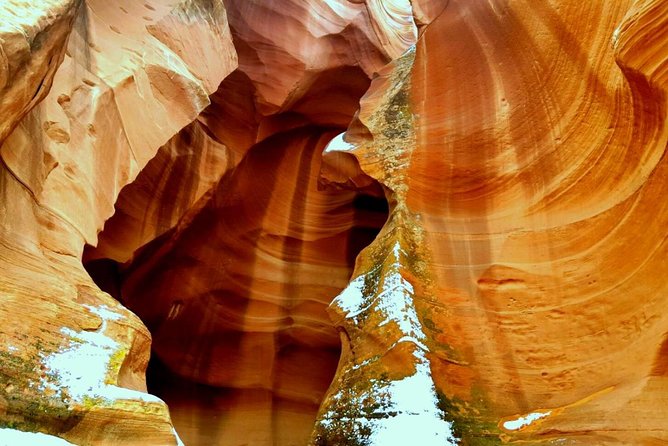
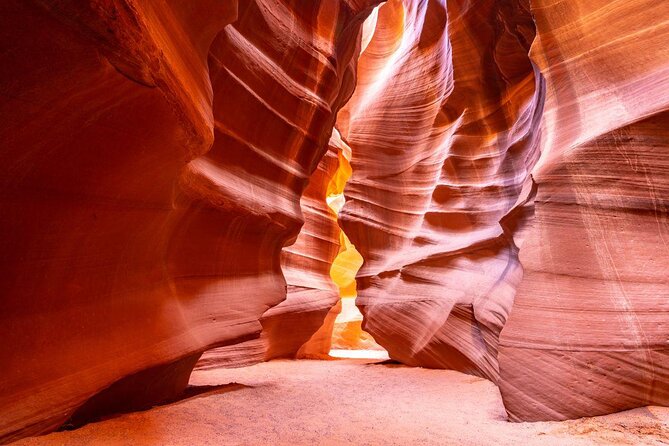
This is the core of the trip: Upper Antelope Canyon. You’ll spend roughly 1 hour 30 minutes in the canyon, with time designed for you to see the famous light patterns and still have room to move at a calm pace.
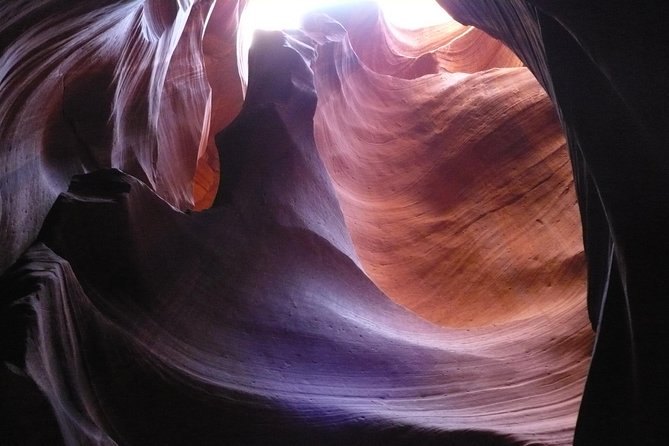
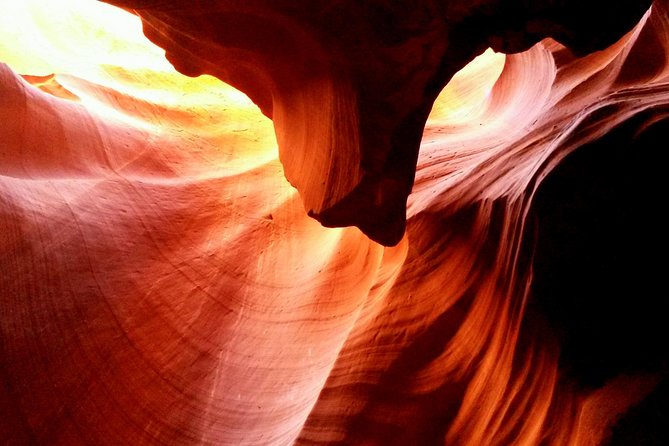
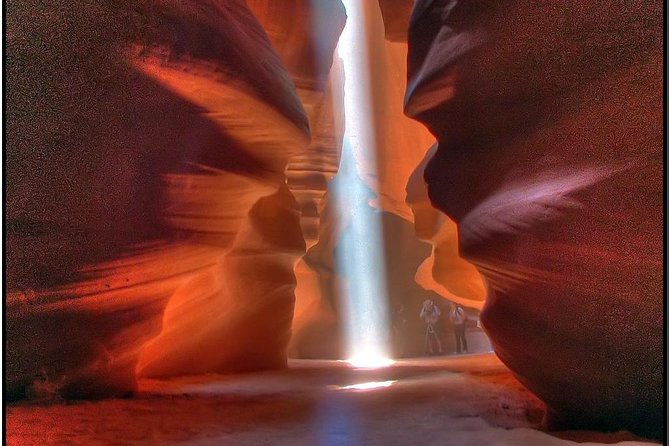
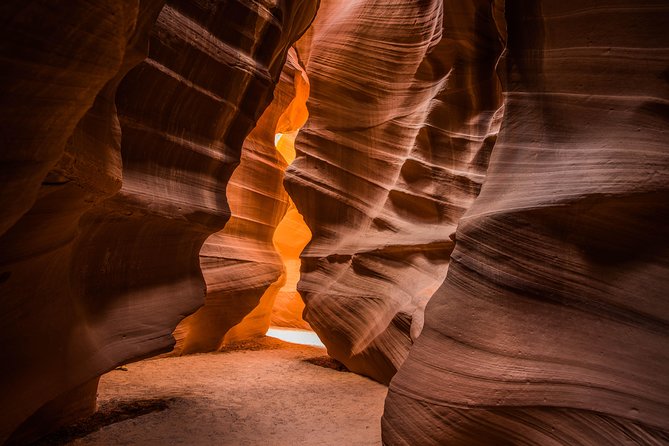
The draw here is the way light behaves in the narrow slots. The canyon is known for light effects people often describe as the corkscrew, and when you’re inside, that reputation makes sense. The rock walls catch and twist the daylight, creating bright streaks that feel almost unreal.
Here’s the practical part you should plan around: recent site changes mean you’ll need to walk about 1/2 mile on metal steps and inclined metal ramps upon exiting and returning to your vehicle. Reports note over 100 steps, mostly down. Even if you’re okay with stairs in daily life, this is different because it’s outdoors, it’s not flat, and you may be moving carefully while watching your footing.
Add in the overall requirement for the tour: it calls for walking on uneven, unpaved terrain for 90-minute stretches and says participants must be ambulatory. If you’re unsure where you land on that scale, it’s worth asking the operator for clarity on the walk segments before you commit.
If you love photography, you’ll likely appreciate having enough time to wait for the best angles. If you’re more interested in the experience than the gear, you’ll still want to go slow and let your eyes adjust. The canyon is visually intense—rushing usually means missing details.
Glen Canyon Dam Overlook: A Softer Pace After the Slots
After Antelope Canyon, the day shifts gears. You’ll stop at the Glen Canyon Dam Overlook for about 20 minutes. This is shorter, and that’s a good thing after a canyon with ramps and steps. You get a chance to sit your legs down, take in the wider view, and reset your body for the drive back.
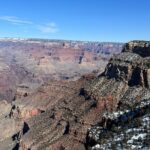
You’ll also get a quick look connected to Lake Powell and the dam area. It’s not the same kind of dramatic, tight-slot effect as Antelope Canyon. Instead, it gives you scale—the sense of where water, rock, and human engineering meet.
This stop can be valuable if you like variety. After hours of canyon walls and river bends, the big-picture overlook feels like the tour’s palate cleanser.

Scenic Driving Stops: Getting Value Beyond the Main Attractions
One of the sneaky reasons this tour works is that it doesn’t treat the roads as dead time. Your drive includes viewpoints and photo opportunities, and the route gives you roadside scenery such as the Painted Desert edges, Vermillion Cliffs, and Echo Cliffs.
That matters because road views often become the best “in-between” moments—the ones you remember when you’re not staring at a single point.
Also, the tour keeps your schedule moving. You get short breaks, a defined meal window, and then you’re back on the road. It’s an efficient use of a limited travel window if you’re visiting Sedona or the Flagstaff area and want a true day trip with a clear plan.
Lunch Time: The One Part You Should Double-Check
Lunch is listed as included in the highlights, but you’ll also see that the schedule allocates lunch time on your own. That’s a contradiction you should resolve before you go.
Here’s what I recommend: when you confirm, ask whether lunch is actually provided (and if it’s boxed/packaged or a restaurant stop), or whether you should plan to purchase food during the lunch window. Either way, you’ll want water and a backup snack in your bag, because the day starts early and stretches long.
If you have dietary restrictions, don’t assume the lunch option will match your needs. Better to plan for a backup than to spend the best part of the day deciding where to eat.
Photo and Comfort Tips That Make the Day Easier
This tour is built around major photo moments, but comfort is what keeps you enjoying them.
Bring:
- Good walking shoes with grip for metal steps and packed dirt
- A light layer for early morning chill and temperature shifts
- A small snack and water for the ride and between stops
- Sun protection (this area is bright, and you’re outside a lot)
Plan your body, too. Upper Antelope Canyon and the Horseshoe Bend walk are not “sit and look” stops. The day asks you to be steady on your feet and to keep moving even if you’re tired.
Group size is limited to 14 travelers, which helps with pacing and keeps the canyon experience from feeling like a cattle line. Still, you’ll want to move with the group because stop times are tight.
Price and Value: What $311.97 Really Buys
At $311.97 per person, this isn’t a budget day trip. So you should ask: where does the value come from?
You’re paying for:
- Hotel pickup and drop-off (within city limits)
- All fees and taxes included
- Entrance to major sights like Upper Antelope Canyon and Horseshoe Bend
- A full-day structure that includes multiple scenic stops and breaks
- A maximum of 14 people, which tends to make a big difference on long days
If you were to drive it yourself, you’d still have gas, parking, entrance fees, and time planning. The big win is removing the hardest part: the timing and logistics of getting from Sedona or Flagstaff out to the canyon country and back.
If you’re traveling with someone who doesn’t love long drives or you’re short on days, paying for transportation and included fees can feel less like a splurge and more like buying back your attention for the sights.
Who Should Book This Tour (and Who Might Want to Think Twice)
This day trip is a good match for:
- People who love scenic viewpoints and want a plan that hits the iconic hits
- Anyone who prefers guided transportation and included admission fees
- Photographers who want enough time for Antelope Canyon light effects and Horseshoe Bend angles
It’s a tough fit if:
- You have mobility limitations or knee issues and stairs make you hesitate
- You’re uncomfortable on uneven, unpaved terrain
- You can’t do metal ramps and lots of steps after canyon time
Also note the tour is described as requiring moderate physical fitness and being suitable for people who are ambulatory. If you’re unsure, ask questions early, before you commit.
One more family note: Arizona state law requires children 8 years and younger to be in a car seat/booster seat, and you must provide it for the tour. That can affect what kind of group logistics work best for families.
Should You Book This Antelope & Glen Canyon Day Trip?
If you want one day that delivers both the tight magic of Upper Antelope Canyon and the classic bend of Horseshoe Bend, this tour offers a clean, guided way to do it without planning the whole route yourself. The included fees and transportation are the strongest value points.
I’d book it if you’re comfortable walking on uneven ground, you don’t mind lots of steps, and you like the idea of an early start that pays off with major photo stops. I’d think twice if stairs and ramps are a problem for you, since that’s a real part of the Antelope Canyon experience.
If you’re on the fence, the best decision tool is simple: check your mobility tolerance for metal steps and the canyon exit walk, then confirm what’s happening with lunch so there are no surprises mid-day.