REVIEW · SEDONA
Sedona/Flagstaff: Grand Canyon Day Trip and Sunset
Book on GetYourGuide →Operated by Arizona Tour & Travel · Bookable on GetYourGuide
A sunset over the Grand Canyon changes your whole day. This tour strings together small-group comfort, expert narration, and a timed Grand Canyon sunset stop that’s built for great canyon light. You’ll also break up the long drive with hands-on stops like the Cameron Trading Post on Navajo land.
I like the way this day mixes scenery with stories. You’ll get the geology and terrain context while you watch the canyon layers unfold, and you’ll also learn how local tribes connect to the land. I also love that the itinerary covers the East and South Rim viewpoints, not just one side, so you see more variety in a single day.
One drawback to plan for: the sunset experience is timed, and a few people wished they’d had more minutes after the sun drops. If you’re the type who wants to stay out until the shadows cool off, you may feel a little rushed at the end. Still, you do get a real sunset moment, not just a photo stop.
In This Review
- Key things I’d pin to the top
- A Comfort-First Drive from Sedona Up to Ponderosa Pines
- Flagstaff Pickup and the Route Past the San Francisco Peaks
- Cameron Trading Post: Shopping Native Crafts with a Cultural Pause
- East Entrance Approach: Painted Desert Edge and Little Colorado Gorge
- South Rim Panoramas: From Wide Views to Depth You Can Feel
- Phantom Ranch and Kaibab Suspension Bridge: The One-Spot Combo View
- Dinner Time After the Sunset Stop (And Why It’s Worth Planning)
- How the Sunset Moment Works (and What You Can Do for Better Photos)
- Guide Style Makes the Difference on a Long Day
- Small-Group Logistics and Comfort: What the Price Buys
- Who This Tour Is Best For (and Who Might Want to DIY)
- Should You Book This Sedona/Flagstaff Grand Canyon Sunset Day Trip?
- FAQ
- What’s the duration of the tour?
- Where does pickup happen?
- How many people are in the group?
- Is the tour narrated?
- What’s included in the price?
- Is dinner included?
- Are there extra fees for non-U.S. residents?
- Do children need a car seat or booster?
- What’s the cancellation policy?
Key things I’d pin to the top
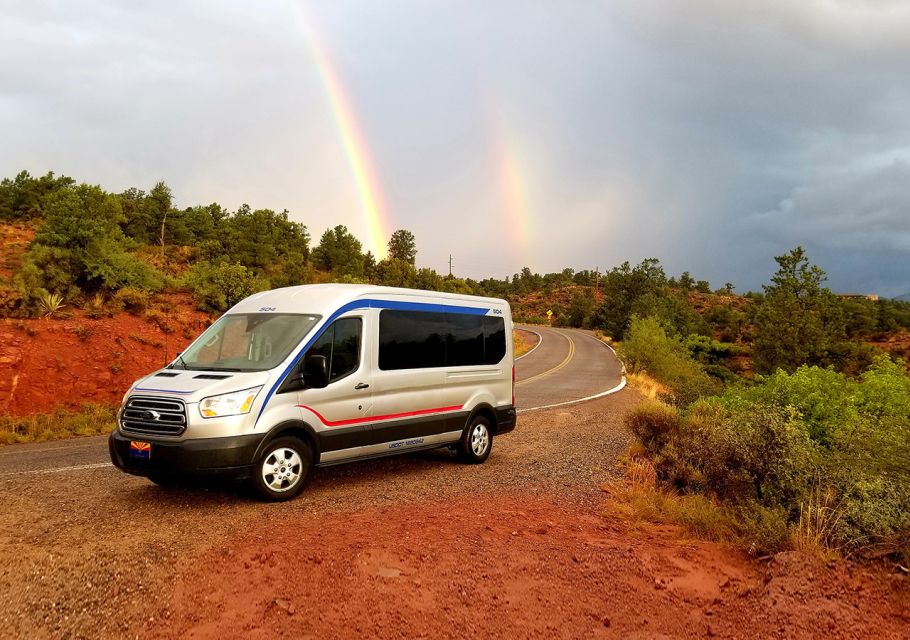
- No more than 14 people in the van means it feels personal, not crowded.
- Cameron Trading Post on Navajo Tribal Land gives you a meaningful place to shop Native American crafts.
- East entrance sights include stops that frame the canyon approach through the Little Colorado River Gorge and the Painted Desert edge.
- Multiple South Rim overlooks help you compare viewpoints and see how the canyon depth changes across the rim.
- A single spot for two famous landmarks: Phantom Ranch and the Kaibab Suspension Bridge.
- Sunset setup with guide timing focuses on the best canyon light and shadow play.
A Comfort-First Drive from Sedona Up to Ponderosa Pines
If you’re starting in Sedona, your day begins with an upgrade in scenery right out of the gate. You’ll head north through Oak Creek Canyon, climbing away from the red rock look and toward higher elevation country. The route twists for about 27 miles and gains roughly 2,000 feet, so the feel changes fast—from lush canyon approach to tall ponderosa pine forests.
This matters because you’re not just sitting on the highway for hours. That elevation shift helps the day feel like a journey, and it also breaks up the monotony. The tour uses an air-conditioned vehicle designed for comfort, and it keeps the group small (14 or fewer) so you’re not fighting for windows or leaning into strangers to hear the guide.
Expect the drive to feel long, but not miserable. You’ll also have the kind of pacing that lets you reset when you need it, including multiple stops along the way for basics like restrooms.
You can also read our reviews of more evening experiences in Sedona

Flagstaff Pickup and the Route Past the San Francisco Peaks
After the Sedona-to-Flagstaff leg, you pick up the remaining guests in Flagstaff. From there, the drive continues toward Grand Canyon National Park with a classic Northern Arizona feel: you’ll pass the San Francisco Peaks, which are known for being dormant volcanoes.
This stretch is a nice breather before you hit the park. The scenery tends to look different again—more open and high country—so when the canyon finally comes into view, it feels like a payoff instead of just another stop.
Also, water is included. On a long day with lots of walking at overlooks, having water already taken care of removes one small stress.
Cameron Trading Post: Shopping Native Crafts with a Cultural Pause
One of the tour’s most practical (and fun) stops is the Historic Cameron Trading Post. It’s located on Navajo Tribal Land, and the point here is both logistical and cultural: you get a chance to check out Native American craftsmanship and browse souvenirs without rushing.
I like this kind of stop because it turns the day from pure sightseeing into something you can take home. You’re not only buying a trinket—you’re seeing craftwork tied to the region and its artistic traditions. And since the trading post is established and accessible, it’s a low-effort way to slow down before you go deeper into Grand Canyon country.
If you’re hoping for a quick bathroom break and a snack, this stop often works well for that too, since you’ll have time to wander before you roll into the canyon entrances.
East Entrance Approach: Painted Desert Edge and Little Colorado Gorge
When you reach the Grand Canyon area from the Navajo Nation side, you’ll get your first canyon framing. You’ll see the Little Colorado River Gorge and the western edge of the Painted Desert before entering the park.
This matters because it sets context. Grand Canyon day trips can feel like a straight line from parking lot to overlook. Here, you get the sense of a larger region—river systems, badlands, and layered desert terrain—that leads naturally into the big reveal.
Then you head onward to Desert View, which is your first serious panorama moment. You’ll also get a look at the Colorado River from there, which helps you understand the scale. The canyon isn’t just a wall of rock; it’s a sculpted system.
South Rim Panoramas: From Wide Views to Depth You Can Feel
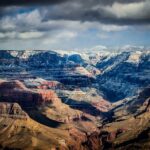
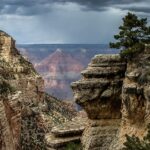
Once you enter Grand Canyon National Park, the focus turns to the South Rim overlooks. The tour builds in time at multiple viewpoints so you can compare angles and take in how the canyon changes with distance.
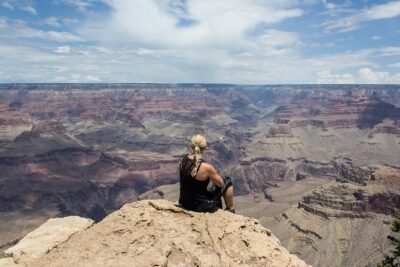
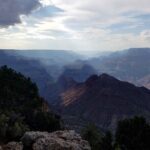
From these South Rim stops, you’re looking across to the North Rim, and you’ll even have moments where you can see about 14 miles across. That kind of distance matters for photos, but it also matters for understanding. Up close, you feel rock colors. From farther away, you start seeing how erosion, shadows, and layers create depth.
The guide narration is a big part of why these stops work. Different guides may emphasize different angles—geology, plants, wildlife, and the human side of the region—but the common thread is that you’re not just staring. You’re learning what you’re looking at, then using the info to spot more on the next stop.
If you’re the type who likes “one more viewpoint,” you’ll probably enjoy the rhythm here. There’s enough movement to keep it interesting, but it’s still controlled so you’re not spending all your energy on logistics.
You can also read our reviews of more tours and experiences in Sedona
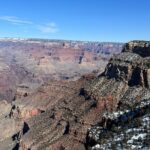
Phantom Ranch and Kaibab Suspension Bridge: The One-Spot Combo View
The standout viewpoint in the itinerary is the place where you can see Phantom Ranch and the Kaibab Suspension Bridge together. This is unusual because those features sit in different areas of the canyon system. Seeing both from the same stop gives you a clearer mental map of how the canyon’s vertical world connects down below.
Even if you’ve seen pictures before, the real value is scale. Phantom Ranch represents the deep-canyon living history of the area, while the suspension bridge signals the access and engineering that hikers and travelers rely on far from the rim. When you can place both in your line of sight, it makes the canyon feel like a whole place—not just a dramatic view.
Dinner Time After the Sunset Stop (And Why It’s Worth Planning)
Dinner is on your own in the time you’re allotted. That means the tour won’t hand you a plated meal at the end like a set group dinner.
What you do get is guidance. In practice, the guide helps you choose, and they can order ahead at options off the canyon property. People have reported dinner choices like an Italian spot with pastas and pizza, and some diners also mentioned Trading Post-area dining as a nice finish.
Keep your expectations realistic: by the time sunset is happening, it’s already late in the day, and everyone’s hungry. If you’re picky about timing, check what kind of restaurants are available when you book, since dinner details can vary day to day.
This is also the moment where you’ll want to prioritize comfort over adventure. Wear shoes you can walk in, and keep your jacket accessible; dusk at elevation can cool off fast.
How the Sunset Moment Works (and What You Can Do for Better Photos)
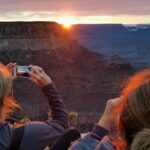
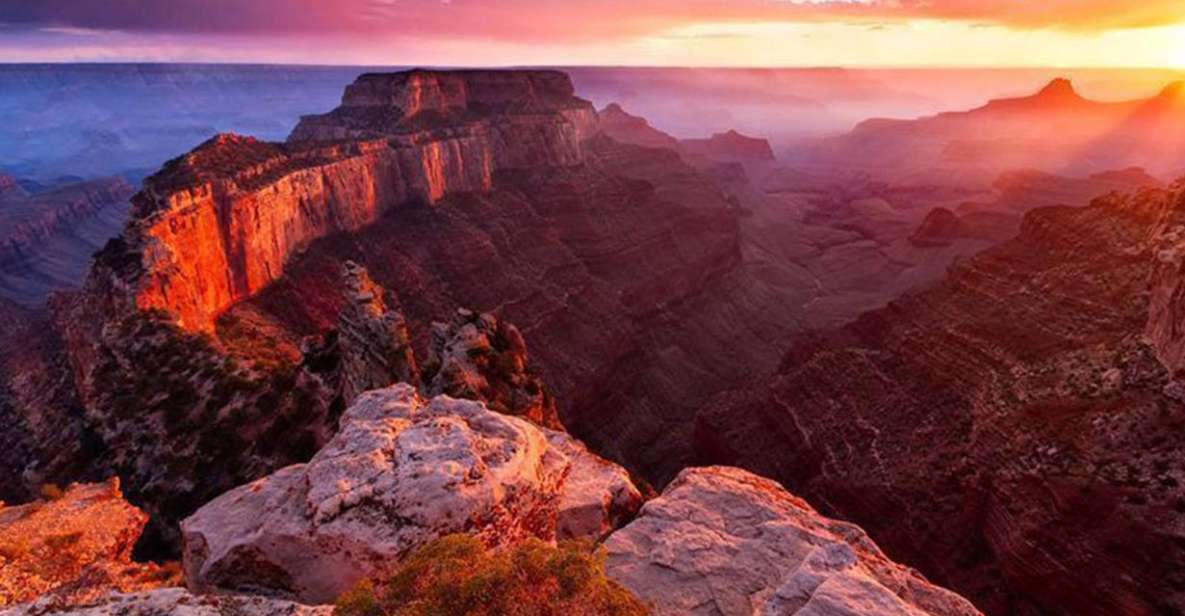
The tour culminates in a guided sunset stop chosen for the kind of color, shadows, and lighting that make Grand Canyon sunsets special. This is the part you’re really paying for: the timing, the route efficiency, and the guide’s ability to get you to a spot that makes the light work.
You should know how sunset usually behaves. If you’re aiming for the richest reds and deep oranges, the strongest changes can happen not exactly at the exact moment the sun hits the horizon, but in the minutes around it—when shadows sharpen and the rock surface keeps reacting to the fading light.
That’s where the main drawback pops up. Some people felt the stop ended shortly after the sun went down. In other words, you do get the sunset, but you may not get the longest “linger and watch the canyon breathe” session.
If you’re serious about photos, come ready to move fast when your guide calls it. Bring a lens cloth, keep your phone charged, and keep your hands warm. Some guides have even provided items like blankets for colder spots, which is a great touch when the air drops once the sun disappears.
Guide Style Makes the Difference on a Long Day
A day trip like this is won or lost on the guide’s pacing. Here, the best feedback tends to point to guides who keep the day moving with good story structure and real engagement—without turning it into a lecture.
You’ll see guide names in the experience history like Brad, Charlie, Steve, Ezra, Sheldon, and Al. The patterns people celebrate across different guides are consistent: they explain what you’re seeing, keep questions flowing, and help with practical photo moments. Some guides even step in to take pictures for you, which sounds small until you realize how hard it is to get a clean two-person shot when you’re both busy watching the canyon.
There’s also a “whole day care” theme. People mention the guides checking on the group, taking breaks when needed, and making sure you’re not stuck. Some guides have also been credited with helping guests spot local wildlife during the drive, which is a nice bonus when the canyon is the main event.
Small-Group Logistics and Comfort: What the Price Buys
At $240 per person, this isn’t a cheap add-on. But it’s also not just a “van to the canyon” deal on paper. The price bundles:
- Hotel pickup and drop-off
- All necessary entry fees and permits
- A guide
- Water
It’s also small-group by design: the vehicle seats no more than 14 people. That has a real effect on comfort. You can hear the guide better, you can ask questions without yelling, and you get easier access to the best pull-off moments.
The tradeoff is time. With a day like this (about 8.5 hours), you’re trading flexibility for structure. You won’t have hours to roam on your own schedule, and you’re definitely not driving yourself.
Two costs to plan around:
- Non-U.S. residents aged 16+ may be charged an additional $100 USD per person for select national parks, paid in advance through the tour company.
- Children 8 and younger must be in a car seat/booster seat, and you’re required to bring one.
If you’re traveling with a kid, this matters more than the park fee. If you forget a seat, your day trip could get complicated.
Who This Tour Is Best For (and Who Might Want to DIY)
I’d recommend this tour if you want your first Grand Canyon day trip to feel guided, efficient, and story-rich. It’s a great match for:
- People with limited time who want both East and South Rim viewpoints in one go
- Anyone who wants a curated order of stops rather than figuring it out mid-drive
- Couples and solo travelers who enjoy a small group and don’t want to manage parking and routes
- Families with older kids who can handle a long day and follow the car seat rules
I might steer you toward a DIY plan if you crave extra time at sunset to linger, or if you want total control over dinner timing. Since dinner is on your own and the sunset stop can feel time-boxed, this isn’t the ideal format for those who want slow-watching, zero-rush canyon time.
Still, for most people, the balance is strong: you get the key canyon story beats plus a well-timed sunset payoff without the stress of logistics.
Should You Book This Sedona/Flagstaff Grand Canyon Sunset Day Trip?
Yes, I’d book it if your priority is a high-quality Grand Canyon sunset experience with minimal hassle. The combination of small-group comfort, hotel pickup/drop-off, and multiple rim viewpoints makes it feel like good value for a full-day outing.
I’d think twice only if you know you’ll be unhappy with a tighter sunset schedule. If you’re the type who wants to watch colors change for a long time after the sun goes, you may want to plan a different format with more freedom.
But if you want a guided day that hits the canyon highlights, includes Navajo craft shopping at the Cameron Trading Post, and ends with sunset light over the rim—this is one of the more satisfying ways to do it.
FAQ
What’s the duration of the tour?
The tour runs about 510 to 630 minutes, depending on the day and timing.
Where does pickup happen?
Pickup and drop-off are included, and the tour departs from Flagstaff daily between 12:00 and 12:30. If you depart from Sedona, the tour begins as you ascend through Oak Creek Canyon.
How many people are in the group?
The group is limited to 14 participants, with a vehicle that seats no more than 14 passengers.
Is the tour narrated?
Yes. You’ll have a live guide and narration in English.
What’s included in the price?
The tour includes hotel pickup/drop-off, all necessary entry fees and permits, a guide, and water.
Is dinner included?
Dinner is not included. Time is allotted for dinner on your own.
Are there extra fees for non-U.S. residents?
Non-U.S. residents aged 16 and older may be charged an additional $100 USD per person for select national parks. You must contact the tour company in advance and provide a credit card, and bring a valid photo ID for residency verification.
Do children need a car seat or booster?
Yes. Arizona state law requires all children eight years and younger to be in a car seat/booster seat, and you must provide it for your tour.
What’s the cancellation policy?
Free cancellation is available up to 24 hours in advance for a full refund.