REVIEW · SEDONA
Sedona Dark Sky Sunset & Night Hike With a Private Guide
Book on Viator →Operated by Trail Lovers Excursions · Bookable on Viator
Stargazing feels different out of town. This private Sedona Dark Sky sunset and night hike mixes a guided walk, serious night-gear, and a look at why Sedona is an International Dark Sky Community. I like that you get hands-on help with night viewing (not just a group shuffle), plus thermal and night-vision monoculars to spot heat signatures and wildlife possibilities. The setting is built for calm: fewer distractions, more stars, and more time outdoors.
One thing to consider: this experience depends on good weather, and it’s a true night hike. You’ll want solid shoes and be okay walking in the dark with headlamps on a trail that’s best experienced at a comfortable pace.
In This Review
- Key Highlights That Make This Hike Worth It
- Sedona Dark Sky Sunset: Why Dusk Is the Real Start
- Private Pickup and Gear: The Fastest Way to Get Moving
- How the 3 Hours Typically Unfold: Sunset, Then Stars
- Thermal Monoculars and 4K HD Night Vision: What You’re Really Getting
- A Guide Makes the Desert Click: Plants, Animals, and Stories
- Snacks, Water, and Staying Comfortable When the Temperature Drops
- Price and Value: Is $185 for One Evening Reasonable?
- Who Should Book This Night Hike (and Who Might Want Something Else)
- Should You Book This Sedona Dark Sky Sunset & Night Hike?
- FAQ
- How long is the Sedona Dark Sky Sunset and Night Hike?
- What is the price per person?
- Do you offer pickup?
- Is this tour private?
- What gear is included for the hike?
- Are snacks and drinks included?
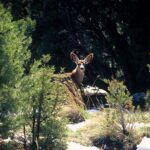
- Is the hike good for wildlife viewing?
- Do I need good weather?
- What is the cancellation window?
Key Highlights That Make This Hike Worth It

- A private guide tailors the hike and keeps you on the right route for sunset and dark-sky views
- Thermal + night-vision monoculars support wildlife spotting and help you capture potential sightings
- Night photography support includes a night/thermal HD camera as part of the package
- All the basics are handled with headlamps, trekking poles, water, and trail snacks with dietary substitutions
- Sedona’s International Dark Sky status is the point, not a side note
- Warm and cold extras help you stay comfortable as temps drop after sunset
Sedona Dark Sky Sunset: Why Dusk Is the Real Start
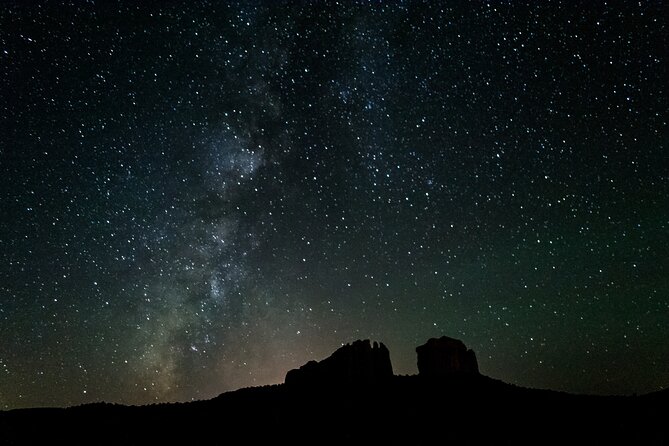
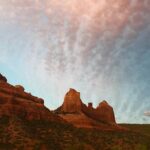
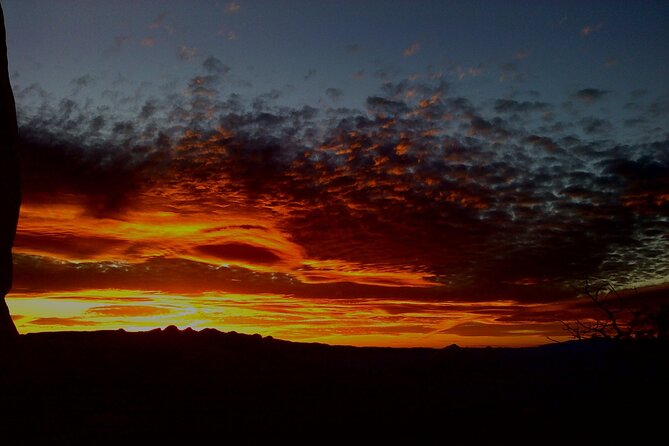
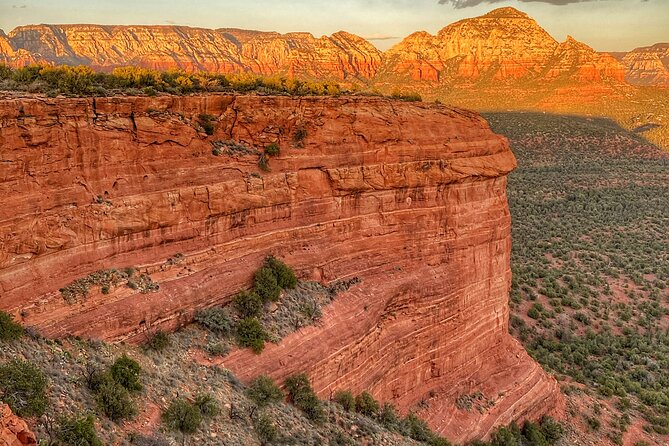
The magic here is timing. Sedona’s night skies look best after the light fades, when the red rock starts to cool and the first stars become visible. This hike is designed around that shift: you go out at dusk, chase the best sunset angles, then continue into true dark-sky territory.
Sedona is recognized as an International Dark Sky Community, which matters because it signals a commitment to keeping the night sky darker than you’d find in most places. In plain terms, you’re not paying to look at a sky that’s washed out by light pollution. You’re paying to spend your evening where stars actually show up.
You can also read our reviews of more guided tours in Sedona
Private Pickup and Gear: The Fastest Way to Get Moving
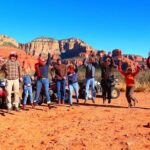
You don’t have to figure out trail logistics in the dark. The tour offers private transportation for resorts, VRBOs, timeshares, and Airbnb rentals in Sedona and Village of Oak Creek, meeting you at the front desk at your start time. If you’re arriving from out of town, they’ll contact you to confirm a convenient central meeting location before your date.
Once you’re on the move, the gear list is the real confidence booster for a night hike. You’re provided:
- Black Diamond headlamps (so you’re not stuck with a weak phone flashlight)
- Trekking poles (helpful on uneven rock, especially after sunset)
- Thermal vision and night vision monoculars
- A night and thermal vision HD camera
- Rain ponchos and micro spikes if cold-weather conditions call for it
- Warm- or warm-weather extras depending on the season
I also like that you get a practical “night-ready” package instead of a vague promise of adventure. Guides can keep you safe and comfortable, and the included equipment means you can focus on seeing things instead of managing supplies.
How the 3 Hours Typically Unfold: Sunset, Then Stars
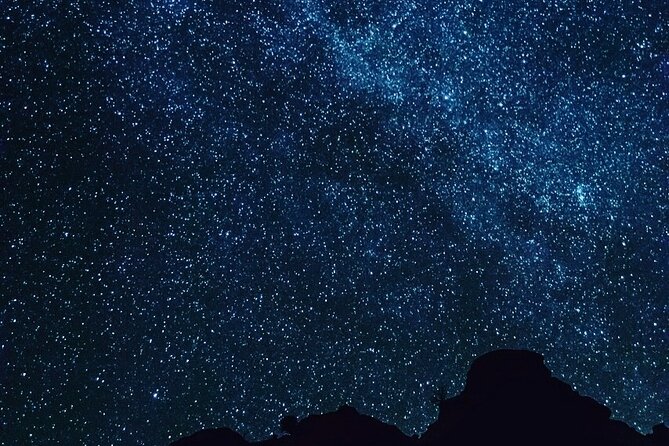
This outing runs about 3 hours, and the flow is built around the light. While exact distances and elevation aren’t provided, the tour structure is clear:
1) Dusk trail time and sunset views
You hike toward the best views as the sky changes color. This is where you’ll get the classic red rock gradient at the moment the sun disappears.
2) Dark-sky hiking under night skies
As darkness settles, the guide leads you through areas that tend to feel quieter and less visited. This is also when night gear starts to matter: headlamps on, monoculars up, and eyes trained to notice movement and reflections.
3) A pause for stargazing and snacks
There’s time built in for a snack break at a flat spot or viewpoint where you can sit and watch the sky. One of the standout details from guides is that they set you up with what you need to enjoy the stars without rushing.
4) Back down by headlamp
After the sky display, you return in dark conditions. The headlamps and poles keep this from feeling like a scary scramble, and the guide’s pacing helps you manage fatigue.
If you want the “wow” moment—stars appearing one by one—this format is designed around it.
Thermal Monoculars and 4K HD Night Vision: What You’re Really Getting

The equipment is the headline for a reason. This tour includes both thermal imaging and night vision monoculars, plus a night/thermal HD camera. The description specifically notes that thermal tech can view heat signatures from over 1,500 feet away.
Here’s how to think about that as a traveler:
- Thermal doesn’t mean guaranteed animal sightings, but it gives you a much better chance to notice movement you might otherwise miss.
- Night vision can help you see in low light without constantly blasting your eyes with a bright beam.
- The monoculars and camera combo means you’re not just looking—you’re trying to record what you see, which is a big deal for night photography.
I also appreciate that the tour includes black lights. Night tools like that often make the experience feel more like a hands-on field session than a basic walk.
One practical tip: you’ll get better results if you stay patient. Night seeing is slow. Give your eyes a minute to adjust, then use the gear when the guide tells you.
A Guide Makes the Desert Click: Plants, Animals, and Stories
The core value is the private guide. You’re not just following a trail; you’re being taught what to look for in Red Rock Country—especially plants and desert life that are active at night.
The tour description highlights:
- Edible and medicinal plants
- Highly adapted desert creatures
- Unique geological features
- Photography opportunities along the way
The tone from the experiences shared with real guides backs that up. Guides like Conner, Brett, and David are described as personable and actively engaged, including with kids. One guide experience also stood out for being flexible: you get options for how far outside town you want to go and how challenging you want the hike to feel, even factoring in a 9-year-old’s comfort level.
That matters. A good night hike isn’t only about views. It’s about making the desert feel understandable. When the guide points out what you’re seeing—sage, juniper, pine notes in the air, textures on leaves and bark—you notice more, and the stars feel like they belong to a bigger story.
You can also read our reviews of more private tours in Sedona
Snacks, Water, and Staying Comfortable When the Temperature Drops
A night hike lives or dies by comfort. This one includes:
- bottled water
- soda/pop (LaCroix sparkling water)
- a healthy packaged snack lineup (granola bar, fruit leather, fruit bar, almond butter, trail cookies, applesauce, mixed nuts, beef jerky)
- note: snack substitutions are made for dietary restrictions
I like that snacks aren’t treated like an afterthought. They’re built into the “pause and look up” time, so you can refuel without turning the evening into a hangry mess. One shared highlight includes a picnic-style spread served at a flat peak during the stars-and-silence stretch.
You’ll also get seasonal comfort extras:
- Cold weather: beanies, gloves, neck gaiters, micro spikes
- Warm weather: 50UPF hoodies, 30SPF sunscreen, cooling spray, insect repellent
Sedona evenings can change fast, so the included layers help you stay focused on the hike instead of playing temperature roulette.
Price and Value: Is $185 for One Evening Reasonable?

At $185 per person for about 3 hours, this isn’t a budget “walk around Sedona” deal. But it does include several things that usually cost extra on their own: private guiding, private transportation, and a full kit of night-specific gear.
Here’s what you’re paying for, in practical terms:
- A private guide (not shared with strangers)
- Pickup and transportation in Sedona/Village of Oak Creek areas
- Headlamps, trekking poles, rain ponchos
- Thermal and night vision monoculars and a night/thermal HD camera
- Sunset-to-stars timing with a built-in snack break
If you’re the kind of traveler who likes to do “one great thing” instead of five mediocre stops, this is a solid value. The price makes more sense when you compare it to booking a guide plus renting or buying night-vision gear, then trying to create the same dusk-and-dark schedule yourself.
Also, it’s commonly booked about 45 days in advance, so if you know you want this, locking it in early is smart.
Who Should Book This Night Hike (and Who Might Want Something Else)

This experience is a good fit if you:
- want a private guided night adventure
- care about real dark-sky viewing, not just pretty night pictures
- like hands-on equipment (headlamps, monoculars, camera gear)
- travel as a family or group and want a guide who can adjust the hike pace and difficulty
It may be less ideal if you:
- don’t like night walking or steep/dark trail conditions
- are sensitive to weather changes, since the tour requires good weather
- expect guaranteed wildlife sightings (the gear improves your odds, but the desert never owes you an animal)
Most travelers can participate, and service animals are allowed, which helps broaden who can enjoy it.
Should You Book This Sedona Dark Sky Sunset & Night Hike?
I’d book it if you want the best version of Sedona after sunset: guided, private, and equipped for night viewing. The big “yes” factor is the combination of a private guide with night-specific tools like thermal/night vision monoculars, plus the dusk-to-stars structure that makes the sky feel alive.
If you’re choosing between a casual sunset stop and something more active, this tilts toward the active side—but it’s set up to feel manageable with poles, headlamps, and a guide who can tune the route. For an evening that feels both outdoorsy and quietly special, this one is a strong bet.
FAQ
How long is the Sedona Dark Sky Sunset and Night Hike?
It runs about 3 hours.
What is the price per person?
The price is $185.00 per person.
Do you offer pickup?
Yes. Pickup is offered for resorts, VRBOs, timeshares, and Airbnb rentals in Sedona and Village of Oak Creek. If you’re arriving from out of town, they’ll contact you to confirm a central meeting location.
Is this tour private?
Yes. It’s a private tour/activity, and only your group participates.
What gear is included for the hike?
Headlamps, trekking poles, thermal vision and night vision monoculars, a night & thermal vision HD camera, black lights, rain ponchos, and an Osprey hiking backpack are included.
Are snacks and drinks included?
Yes. You get bottled water, LaCroix sparkling water, and packaged trail snacks. Snack substitutions are made for dietary restrictions.
Is the hike good for wildlife viewing?
The hike is designed to maximize wildlife viewing opportunities, and the thermal/night vision monoculars are included to help you spot potential animal sightings.
Do I need good weather?
Yes. This experience requires good weather. If it’s canceled due to poor weather, you’ll be offered a different date or a full refund.
What is the cancellation window?
You can cancel for a full refund up to 24 hours before the experience’s start time. If you cancel less than 24 hours before, the amount paid won’t be refunded.