Sedona at night gets a strange new audience. This 90-minute Sedona UFO tour is a real-world sky watch, not a screen show, with military grade Gen 3 night-vision goggles and a guide who points targets out with a laser that can reach 10 miles up. The goal is simple: boost what you can see, then spend the time talking through what you’re looking at.
What I like most is the format and the equipment. With a maximum group size of 10, you get more one-on-one help while you scan the dark, and the included goggles are each adult’s own (kids 11+ count as adults). I also appreciate that the experience is short enough to fit in even with a busy Sedona schedule.
One thing to consider is the storytelling. If you prefer a strictly neutral, evidence-only approach, be aware the tour leans hard into a UFO/UAP explanation and discussion, and some viewers don’t love the time spent on that side of the talk.
In This Review
- Key highlights you’ll feel in the dark
- Sedona UFO watching with Gen 3 goggles: what changes
- Where you’ll meet and how the short drive works
- Cultural Park Place viewing field: chairs, laser pointers, and your first sighting
- The UFO/UAP approach: what the guide is really doing
- Spotting strategy during the 90 minutes
- Equipment and comfort: what’s included, what’s provided in practice
- Price and value: is $110 fair for this format?
- Who should book this Sedona UFO tour (and who might not)
- Timing tips that actually help your odds
- Quick decision guide: should you book?
- FAQ
- How much does the Sedona UFO tour cost?
- How long is the tour?
- How many people are in a group?
- Where do I meet the tour guide?
- Where does the tour end?
- Is it a virtual tour?
- What’s included in the ticket price?
- What language is the tour offered in?
- What should I know about kids?
- Do I need good weather?
- Is cancellation free?
Key highlights you’ll feel in the dark

- Gen 3 night-vision goggles: designed to show far more sky detail than your naked eye can catch
- Small group limit (max 10): easier pointing, clearer questions, less crowd chaos
- 10-mile laser pointing: targets in the sky are marked while you’re watching
- Chairs at Cultural Park Place: sit or stand while you scan, and you’ll be at an actual viewing field
- Guided sky talk: the guide shares stories and interpretation while you watch the lights move
Sedona UFO watching with Gen 3 goggles: what changes
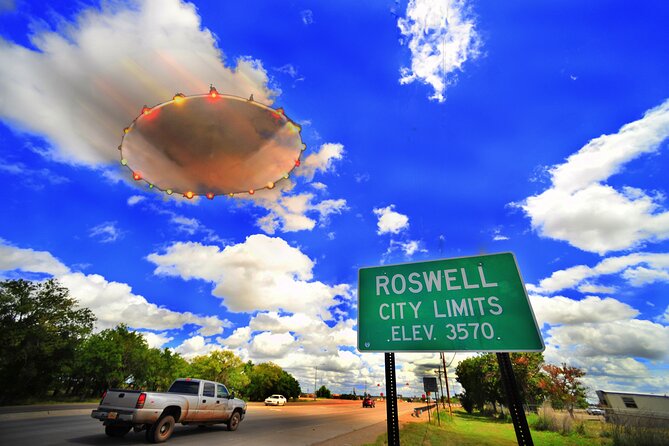
This tour is built around one practical idea: night vision changes everything. You’re not just “looking at stars.” You’re looking at the night sky through military grade Gen 3 goggles, which the tour describes as letting you see about 100 times more than the naked eye. That means faint motion, distant lights, and “something is happening over there” moments become easier to catch early.
I like that the tour doesn’t pretend it’s magic. It tells you what the tools are meant to do, then puts those tools in your hands. In a place like Sedona, where night skies can be spectacular on a clear evening, that tech makes the sky feel more active and more legible.
The other change is pacing. With a short 1 hour 30 minutes, you’re not stuck on a long lecture with only a few minutes of sky time. You’re scanning right away, and then the guide stays engaged as objects appear and move.
You can also read our reviews of more tours and experiences in Sedona.



Where you’ll meet and how the short drive works

You start at Blue Sage Day Spa, 60 Stutz Bearcat Dr, Sedona, AZ 86336. The plan is straightforward: meet at the start location, then follow the tour guide about 5 minutes down the road to the viewing spot at Cultural Park Place.
That “follow the guide” detail matters. Sedona streets can twist, and night driving plus parking can add stress if you’re not ready. I’d treat the meeting point like a mini pregame: arrive a few minutes early, confirm you’re at Blue Sage Day Spa, then follow directions to the field.
The tour ends at 50 Cultural Park Pl, Sedona, AZ 86336, in the field at Cultural Park Place. Even though the walk/transfer is short, this helps you plan the rest of your evening. You can think of it like: small departure, real sky watch, quick wrap.
Cultural Park Place viewing field: chairs, laser pointers, and your first sighting

Your main time happens at the field at Cultural Park Place. The tour sets you up to actually watch: chairs are provided, and you can choose to sit or stand depending on what feels best for your neck and your cold tolerance.
Here’s the core viewing moment. Once you’re in position, the guide uses a laser pointer to help you track moving lights in the sky, and the tour states the laser is strong enough to reach 10 miles. That helps because at night, your brain can’t always keep up with what your eyes are finding. The laser gives you a moving target, instead of you guessing where the point of light went.
Many evenings include multiple unidentified sightings, and the experience is described as hands-on: this is not a virtual tour. The intention is that you see the lights first hand, in real time, through the goggles, while the guide points them out and discusses what they might be.
One practical note: your “what is that?” questions will pop up fast. That’s normal. The best advice is to stay focused and let the guide run the show first; save your deeper questions for when there’s a pause or when the guide answers at the end.
The UFO/UAP approach: what the guide is really doing
This tour isn’t just sky watching. It’s sky watching plus a strong narrative framework. The guide shares stories and interpretation about UFO phenomena, including claims about what’s going on behind the scenes in Sedona and a “secret space program” storyline. That’s part of the product you’re paying for.
What I think this means for you: the tour is designed to make you feel like you’re being initiated into a world-view, not only a set of objects in the sky. The guide also helps you connect the dots between what you see and the explanation being offered.
Now, here’s the balanced caution. Some viewers expect every dot to be the same kind of object, and that’s rarely how real night skies behave. You may see lights that match how satellites or planes often look, but the guide’s interpretation is that you’re seeing more than just ordinary traffic. That difference in interpretation is exactly where some people loved the tour and some felt it didn’t match their expectations.
If you’re skeptical, the best mindset is this: treat the experience as a guided way to notice, track, and ask. If you’re already leaning in, you’ll probably enjoy the way the guide ties the sightings to the broader UFO/UAP discussion.
Spotting strategy during the 90 minutes

The time limit is 1 hour 30 minutes, and that’s a gift. You’ll have enough time to settle in, use the goggles, and watch for movement without burning a whole night.
When the sky gets active, you’ll likely notice patterns:
- Objects can appear and move across the field of view.
- Some lights may seem steady while others shift position.
- The group scanning rhythm matters. When everyone is checking different areas, objects can get missed.
The tour’s setup helps with that. A small group, chairs if you need them, and a laser to mark targets all reduce the “where are we looking?” problem. And the goggles make it easier to catch faint motion before it slips away.
Also, go in with the idea that every night can be different. The experience describes “typical” evenings as including several ships, but you shouldn’t assume you’ll see the exact same sequence as someone else did.






Equipment and comfort: what’s included, what’s provided in practice
Included in the price:
- Each adult gets personal night-vision goggles (kids 11+ are treated as adults)
- Admission ticket to the experience
Chairs are provided at the viewing area, so you’re not standing the whole time unless you want to. And based on prior experience, the guide often helps with cold-weather comfort, including blankets and warm extras like gloves and hats when temperatures drop. Since Sedona nights can cool quickly, that kind of support can turn a “briefly uncomfortable” evening into a “worth it” evening.
One more comfort detail: the guide helps with pointing and tracking. So even if you’ve never used night-vision gear before, you’re not left alone to figure it out in the dark.
Price and value: is $110 fair for this format?
At $110 per person for about 90 minutes, the value depends on what you want from the experience.
If your main goal is this: real night sky viewing with hands-on Gen 3 goggles plus a guided laser pointing system in a small group, then the price can make sense. You’re paying for the gear, the location spot, the guide’s time, and the small group limit (max 10) that keeps attention from getting spread too thin.
If what you want is a more neutral, strictly scientific presentation, you may feel the price is too high given the amount of narrative and UFO framing. Some people come for the sky tech and leave disappointed if they expected something closer to a lecture about observational astronomy.
My take: you get the best value when you show up ready to participate. You’re there to watch, to ask, and to listen while you track the sky. The tour is short, so the guide’s talking time is part of the “package,” not something you can easily skip.
Who should book this Sedona UFO tour (and who might not)
This is a good fit if:
- You want a small-group night activity in Sedona.
- You love the UFO/UAP topic and like guided interpretation, not just stargazing.
- You’ll appreciate hands-on tech like night-vision goggles and the guide’s laser pointing.
It might feel like a mismatch if:
- You prefer strictly neutral explanations and don’t want much theory or story time.
- You get frustrated when you’re shown lights and told a specific conclusion, especially if you personally think you can label everything instantly as satellites or aircraft.
Either way, be realistic about one thing: the sky isn’t a classroom. Lights move unpredictably from your perspective, weather can change plans, and every night has its own mix of objects.
Timing tips that actually help your odds
This tour requires good weather. If skies don’t cooperate, it may be canceled and you’ll be offered a different date or a full refund. I’d plan it like you would any important outdoor night activity: pick a date when you have flexibility.
Also, book earlier than you think. The tour information says it’s booked about 21 days in advance on average, which tells you demand is real. If Sedona is short on your calendar, grab a slot early.
When you arrive, do the simple things that make night events easier:
- Dress in warm layers. This is not a “summer at midnight” kind of plan.
- Consider gloves if you’re holding binoculars or adjusting gear.
- Bring patience for the cold part and the waiting part. The sky doesn’t care about your schedule.
Quick decision guide: should you book?
If you want a fun, tech-assisted night in Sedona with Gen 3 goggles, chairs, and a guide who helps you track moving lights with a 10-mile laser, I think this tour is worth serious consideration. The small group size (max 10) and the short 1 hour 30 minutes format help you get real sky time without overcommitting.
I’d only skip it if you’re strongly against UFO framing or you need a strictly neutral presentation. The guide’s narrative is a big part of the experience, for better or for worse, and you’ll feel that quickly once the stories start.
If you’re on the fence, treat it like a night experiment. The upside is you’ll leave with a new way to look at the sky through night-vision goggles and a bunch to talk about in daylight.
FAQ
How much does the Sedona UFO tour cost?
The price is $110.00 per person.
How long is the tour?
It’s about 1 hour 30 minutes.
How many people are in a group?
The tour has a maximum of 10 travelers.
Where do I meet the tour guide?
You meet at Blue Sage Day Spa, 60 Stutz Bearcat Dr, Sedona, AZ 86336.
Where does the tour end?
The tour ends at 50 Cultural Park Pl, Sedona, AZ 86336, at the field at Cultural Park Place.
Is it a virtual tour?
No. This is a real nighttime viewing experience, not a virtual tour.
What’s included in the ticket price?
Adults receive personal night-vision goggles, and chairs are available at the viewing spot. Children 11 years and older are considered adults.
What language is the tour offered in?
The tour is offered in English.
What should I know about kids?
Children 11 years and older are treated as adults for the tour. On rare occasions, children may have to share goggles.
Do I need good weather?
Yes. The experience requires good weather. If it’s canceled due to poor weather, you’ll be offered a different date or a full refund.
Is cancellation free?
Yes. You can cancel up to 24 hours in advance for a full refund. If you cancel less than 24 hours before the start time, the amount you paid won’t be refunded.
If you want, tell me your travel month and whether you’re more into the tech or the UFO stories, and I’ll help you pick the best timing and set expectations so you’ll enjoy the night more.