REVIEW · SEDONA
Stargazing Tour with Telescopes and Video Astronomy in Sedona
Book on Viator →Operated by Night Owl Tours · Bookable on Viator
Sedona’s night sky finally looks like the movies. This tour uses a laser to map constellations while a 4k OLED screen shows faint galaxies in real time. I love that mix because you’re not stuck guessing where to look. You also get that bigger-light experience from large-aperture telescopes. One thing to plan for: it’s a dark-sky outing in cooler air, and it depends on good weather.
You’ll stay in an up to twelve person group at secluded dark-sky sites on USFS managed forest land and private ranches. I especially liked that the guides let you save images from the video astronomy session, so the highlights don’t fade the second you get back to town.
In This Review
- Key Highlights To Know Before You Go
- Sedona’s Dark-Sky Sites: Why the Location Matters
- 4k OLED Video Astronomy: The Best Part for First-Timers
- Laser Constellation Tracing With Chris: Fast Way to Learn the Sky
- Telescopes Plus Cameras: How the Tour Balances Looking and Seeing
- What You’ll Actually See: From Milky Way to Galaxies and Nebulae
- The One Stop Itinerary: How the Night Flows From Setup to Save
- Timing, Comfort, and Low-Light Reality in Sedona
- Price and Value: What You’re Paying For
- Who Should Book This Tour (and Who Might Not)
- Should You Book Stargazing With Telescopes and Video Astronomy in Sedona?
- FAQ
- How long is the Stargazing Tour with Telescopes and Video Astronomy?
- What do you do during the tour at the dark-sky site?
- How many people are in the group?
- What kinds of objects can we see?
- Can I save the images from the video astronomy portion?
- What happens if the weather is poor?
- Is it suitable for children or people with mobility concerns, and are service animals allowed?
Key Highlights To Know Before You Go
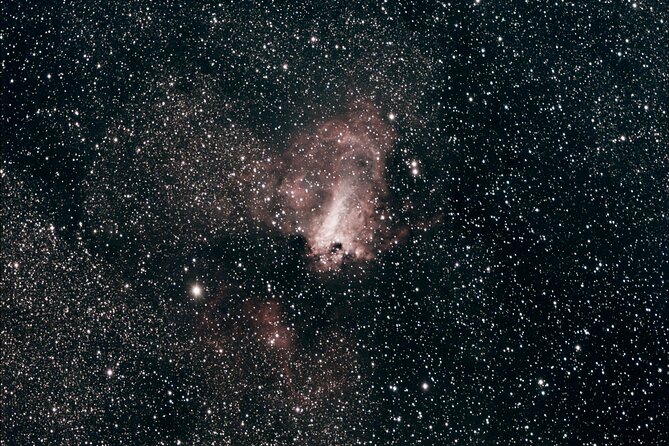
- Real-time deep-sky video on a 4k OLED screen so more people can see faint objects at the same time
- Laser-guided constellations that help you follow the sky fast, not spend the night lost
- Large-aperture telescopes plus special cameras that blur the line between viewing and astrophotography
- Dark-sky access beyond Sedona’s light pollution using USFS forest land and private ranches
- A small-group feel (maximum twelve) with room to ask questions
- You can save images at the end from what the cameras capture during the session
Sedona’s Dark-Sky Sites: Why the Location Matters
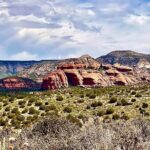
Sedona is gorgeous at sunset. But after dark, the city lights can steal the show. This tour solves that by taking you away to a secluded dark-sky site, away from Sedona’s glow.
You’ll be set up on USFS managed forest land and private ranches. That matters because stargazing is mostly a lighting problem. The darker the sky, the more you notice. And the more you notice, the more the night feels like a real experience instead of “spot a few stars and call it a win.”
You’ll also be with a small crew. With a group capped at twelve, you’re not waiting your turn for every object. That pacing helps the guide keep teaching while everyone stays oriented.
You can also read our reviews of more tours and experiences in Sedona.
4k OLED Video Astronomy: The Best Part for First-Timers
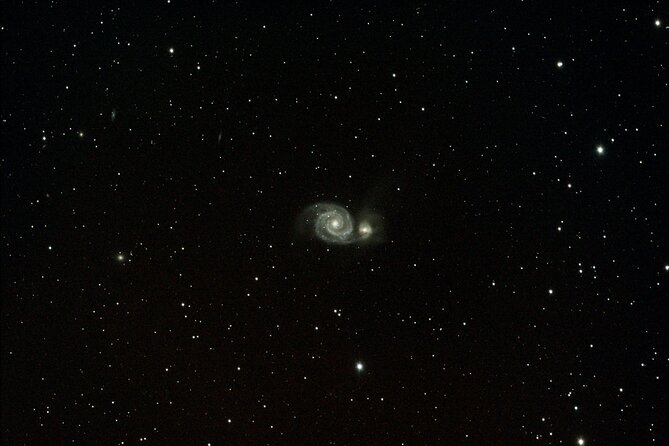
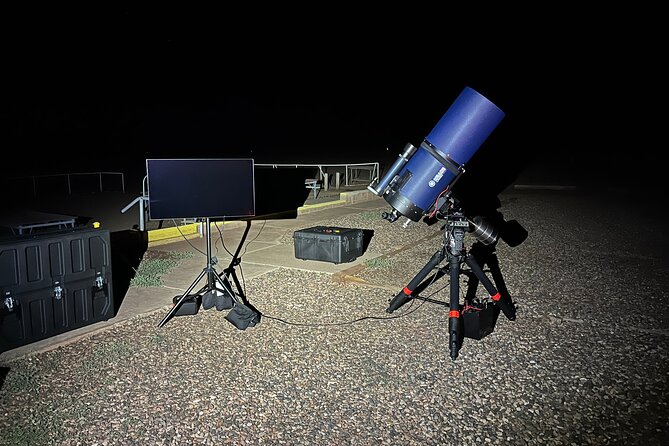
Here’s the core idea: you get both direct viewing and live, camera-based viewing. The telescopes are outfitted with astronomy cameras that capture faint objects and stream the feed to a 4k OLED TV. Instead of only relying on tiny eyepieces, you can see targets in real time while the image is bright enough to show details.
In plain terms, the screen removes a lot of frustration. With a traditional telescope, some objects are there but hard to “hold” visually—especially if you’re new. With video astronomy, you can keep looking at the same feed while the guide talks you through what you’re seeing.
A few reviews mention seeing planets and more familiar objects through the big scope, then using the screen for fainter targets like galaxies and nebulae. That mix is smart because it keeps your night balanced: solar-system wow moments, plus deep-sky objects that are usually beyond reach from bright towns.
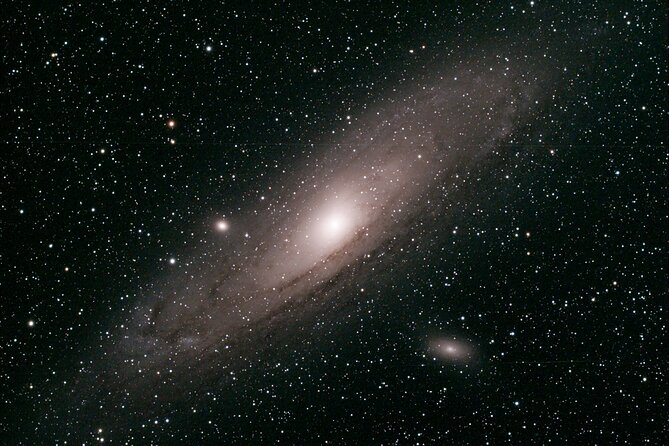
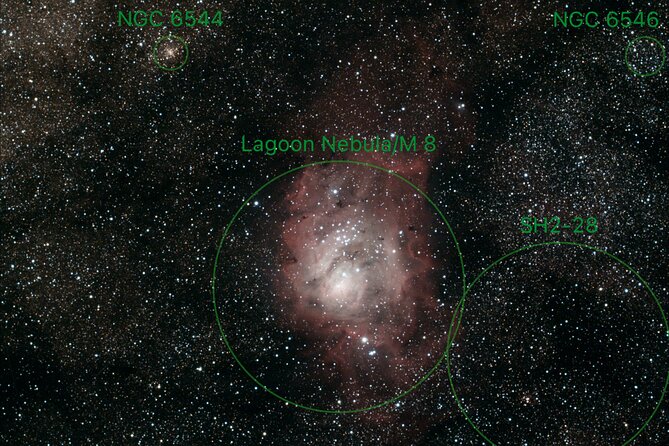
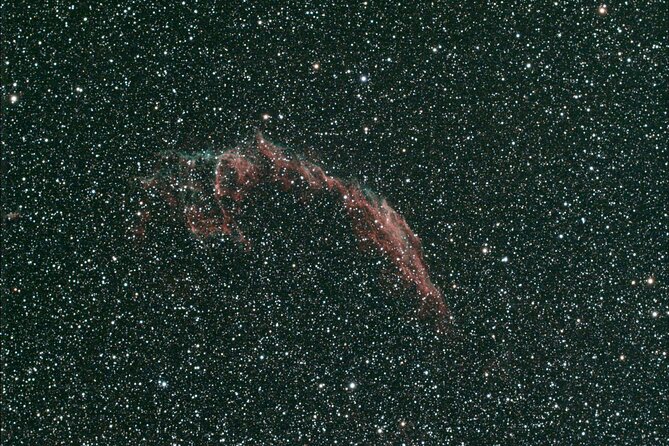
Also, the tour doesn’t treat the screen as a gimmick. The guide uses it alongside telescope views, and images shown in their gallery are described as representative of what the cameras capture through the scopes. The value here is clarity: you can learn the sky and still feel the surprise when faint things actually show up.
Laser Constellation Tracing With Chris: Fast Way to Learn the Sky
The sky can feel random when you’re standing alone. A laser changes that right away. During your tour, your guide traces constellations and points out objects as the night unfolds.
Chris is the name that comes up again and again. People describe him as energetic, funny, and highly invested in sharing the science. Chris is also directly tied to practical success in the field, like giving directions clearly and keeping people involved.
The laser-guided approach helps in two ways:
- You get orientation, so you’re not constantly turning your head and losing your place.
- You learn what the guide is “aiming at,” which makes telescope time easier to enjoy.
You can also expect stories and context alongside the observing. One review highlights that the night was full of history, mythology, and science, not just a checklist of objects. If you like astronomy as a whole subject—how things work, how they got there, and how to find them again—this format fits well.
Telescopes Plus Cameras: How the Tour Balances Looking and Seeing
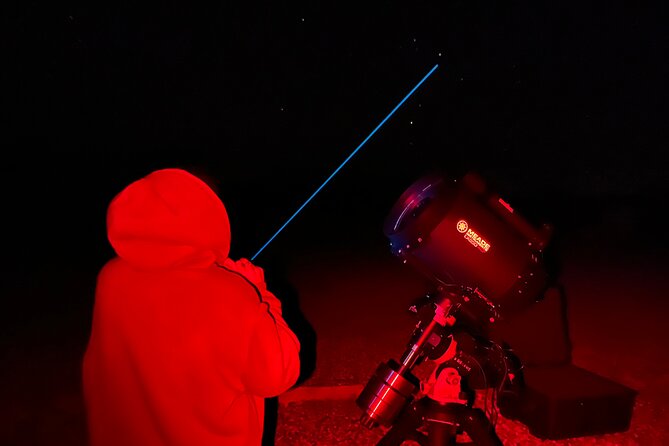
This is not a one-mode astronomy tour. It’s a blend.
You’ll use premium, large aperture telescopes with strong eyepieces for direct viewing. Then, the special astronomy cameras provide a live feed for the screen, letting everyone see the same target with the guide’s commentary. The guides also use the setup to identify and show deep-sky objects—especially the ones that are hardest to spot from a light-polluted area.
Two telescopes are part of the setup. One review notes that sometimes the group looks through one scope while the other supports the projection on the big screen. Even if the exact rhythm varies night to night, the intent stays the same: you should get telescope time and also get the “show the detail to the whole group” benefit.
This matters if you’re traveling with mixed interests. One person might want hands-on eyepiece time; another person might want to see faint galaxies clearly on a screen. The tour covers both without splitting the group into separate experiences.
What You’ll Actually See: From Milky Way to Galaxies and Nebulae
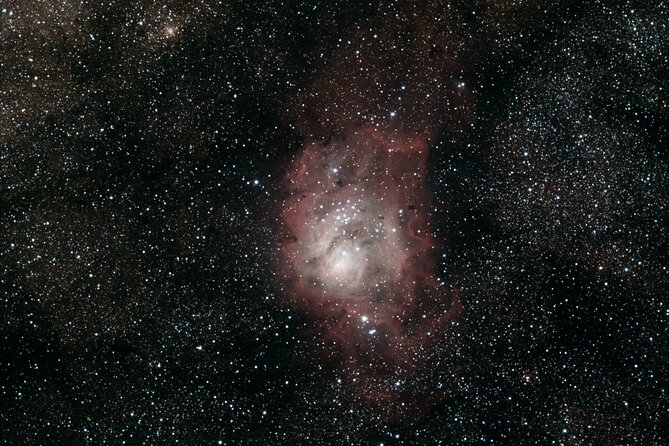
The targets aren’t vague. The guide plans a selection based on what’s up in the sky, plus what the equipment can capture well that night.
Expect laser pointing for objects like:
- Milky Way and major constellations
- Planets
- Meteor showers or passing satellites when visible
Then the telescope portion shifts toward deeper targets:
- Galaxies
- Nebulae
- Star clusters
One review mentions seeing Jupiter and multiple moons, plus Mars, and even Saturn’s rings on a good night. That’s the kind of “small reminder that the universe is real” moment you can’t fake, and it’s one of the big reasons people book.
Deep-sky objects are the other big draw. The screen helps here because faint objects can be difficult to see directly. When the camera captures the object, you can follow along while the guide explains what you’re looking at and why it looks the way it does.
And you’re not just receiving pretty pictures. The guide uses this to teach: how to identify objects, how they formed, and how to spot them again later if you want to keep exploring.



The One Stop Itinerary: How the Night Flows From Setup to Save
The tour experience is straightforward and designed around darkness. You start in Sedona, then head out to the dark-sky site where the setup begins.
Once you arrive, the guide gets everyone oriented and then starts the “trace and explain” portion with the laser. That early phase is useful because it gives you landmarks. Then the group moves into telescope viewing and camera-based viewing for deeper targets.
A typical arc looks like this:
- Arrive and get oriented for the night sky
- Laser constellations and easy-to-find objects first
- Telescope views of standout planets and bright targets
- Screen viewing for fainter deep-space objects
- End with the chance to save your favorite captured images
Because it runs about 1 hour 15 minutes, you don’t get stuck in a slow, repetitive pattern. The goal is momentum: you see, you learn, you move on to the next object while the sky stays dark.
Timing, Comfort, and Low-Light Reality in Sedona
This is a nighttime tour, so comfort is not optional.
Reviews specifically mention chairs and huge blankets, and that the team tries to keep people warm during cold desert nights. I’d still treat the blanket as a bonus, not a substitute for good clothing. Bring warm layers and anything you use for chilly outdoor evenings.
Low-light conditions also matter for how you move. The tour notes it may not be suitable for participants under seven years old or anyone who has difficulty negotiating uneven terrain in low light. If you’re steady on your feet, you’ll probably be fine. If you’re not, consider whether you’ll be able to walk slowly and safely during the setup and viewing.
Finding the location can also be a factor. Most people say the directions are clear, and the guide provides explicit directions. Still, one review notes it was a bit hard to locate. So plan to follow the guide’s instructions closely rather than assuming you’ll “just know” where to go.
Price and Value: What You’re Paying For
At $125 per person, this isn’t a casual “look at a few stars and go” activity. You’re paying for real equipment and real dark-sky access.
Here’s what you get for the money:
- Large-aperture telescopes and strong eyepieces
- A camera system that supports live streaming to a 4k OLED screen
- Small-group attention (maximum twelve)
- Exclusive access to dark-sky sites (USFS managed forest land and private ranches)
- The chance to save images from the session
That mix makes the price feel more reasonable than a basic telescope tour, especially if you’re bringing someone who doesn’t want to spend the whole night learning how to use an eyepiece. The video piece lowers the barrier to entry and makes sure everyone sees the main targets.
If you’ve got limited time in Sedona, 1 hour 15 minutes is also a practical chunk of your schedule. It gives you a true nighttime experience without eating a whole evening.
Who Should Book This Tour (and Who Might Not)
This tour is a strong match if you:
- Like science explanations, not just sightseeing
- Want both direct telescope views and screen-based viewing
- Enjoy learning how to find objects in the sky
- Appreciate a guide who keeps the session lively and question-friendly
- Want keepsake images from that night’s observations
It may be less ideal if:
- You’re traveling with very young kids (the tour notes it may not suit under seven)
- You have mobility limits that make uneven terrain in low light tough
- You’re hoping for a long, slow “stay out as long as possible” astronomy session
- You’re okay with your plans changing if weather isn’t cooperating (good weather is required)
Should You Book Stargazing With Telescopes and Video Astronomy in Sedona?
I’d book it if you want a modern stargazing experience that still feels hands-on. The biggest reason is the combination: laser-guided learning plus 4k OLED live video so faint deep-sky objects actually make sense for you in real time. Add the small group size, the secluded dark-sky sites, and the chance to save images, and the value lands.
I’d think twice if cold, uneven ground, or weather dependence is a problem for your group. In Sedona, nights can be sharp, and this is a dark setting by design.
If you dress warm, follow the guide’s directions, and come ready to look and ask questions, this is one of the best ways to turn Sedona’s night sky into something you can truly understand.
FAQ
How long is the Stargazing Tour with Telescopes and Video Astronomy?
The tour runs about 1 hour 15 minutes.
What do you do during the tour at the dark-sky site?
You’re guided to a secluded dark-sky location, where telescopes are set up. You’ll use a laser to trace constellations and point out objects, and you’ll view a selection of galaxies, nebulae, and star clusters through the telescopes. Live video from cameras is also streamed to a 4k OLED TV.
How many people are in the group?
The tour has a maximum of 12 travelers, which keeps it intimate.
What kinds of objects can we see?
You can expect the guide to point out things like the Milky Way, planets, meteor showers, or passing satellites when they are visible. Telescope viewing includes galaxies, nebulae, and star clusters, along with other objects the guide selects for that night.
Can I save the images from the video astronomy portion?
Yes. At the end of the tour, you can save your favorite images from the video astronomy session.
What happens if the weather is poor?
This experience requires good weather. If it’s canceled due to poor weather, you’ll be offered a different date or a full refund.
Is it suitable for children or people with mobility concerns, and are service animals allowed?
Service animals are allowed. The tour may not be suitable for participants under seven years of age or anyone who has difficulty negotiating uneven terrain in low light conditions.