REVIEW · SEDONA
From Flagstaff or Sedona: Antelope Canyon Full-Day Tour
Book on GetYourGuide →Operated by Arizona Tour & Travel · Bookable on GetYourGuide
Antelope Canyon hits different the moment you step in. This long day tour strings together Antelope Canyon with a Navajo guide, plus big-name stops like Horseshoe Bend and Oak Creek Canyon views—so you get both geology eye-candy and real human context. I really like the small-group vibe (limited to 14), and I also love that water is included for the canyon portion. The main drawback to plan around is the time commitment and physical effort: there’s uneven, unpaved walking for about 90 minutes, and the day runs roughly 10.5 to 11.5 hours.
From Sedona or Flagstaff, you start climbing from around 4,500 feet up toward the Colorado Plateau, and that altitude shift matters for how you feel during the day. You’ll also get a standout photo stop at Horseshoe Bend and enough variety that it doesn’t feel like a one-canyon pony show. If you’re sensitive to long drives or you have mobility limits, a day like this can feel like a lot fast.
And yes, the slot canyon part is the star. You’ll walk the narrow sandstone narrows with your guide, then you’ll return with time for lunch on your own and a final pass through viewpoints like the Painted Desert from the road.
In This Review
- Key Highlights Worth Marking on Your Map
- What This Day Tour Really Delivers
- Pickup, Van Ride, and Why the Long Day Feels Worth It
- Oak Creek Canyon and the San Francisco Peaks: The Start That Sets the Tone
- Horseshoe Bend and Glen Canyon Views: The Iconic Detour
- Antelope Canyon: What the Navajo-Guided Narrows Feel Like
- Cameron Trading Post: A Stop That’s More Than a Gift Shop
- Lunch on Your Own: How to Make It Work on a Long Day
- Guide Styles: What You Gain From the People Running the Day
- Physical Considerations: Who Should Think Twice
- What to Bring (and What to Wear) for Antelope Canyon Comfort
- Price and Value: Is $311 Worth It?
- Should You Book This Antelope Canyon Full-Day Tour?
- FAQ
- How long is the Antelope Canyon full-day tour?
- Where does pickup happen?
- How big is the group?
- Is water provided?
- What should I bring for Antelope Canyon?
- How much walking is involved?
- Is lunch included?
- Are there restrictions for children, pregnancy, or pets?
Key Highlights Worth Marking on Your Map
- Antelope Canyon with Navajo guidance: Learn how the canyon’s natural forms connect to Navajo land and storytelling.
- Small group size (14 max): Easier pacing and more space to hear explanations and take photos.
- Oak Creek Canyon climb from Sedona: The road trip turns into a mini “see Arizona from high to low” lesson.
- Horseshoe Bend viewpoint: Iconic Colorado River views without needing to hike the Grand Canyon scale of distances.
- Cameron Trading Post stop: Real chance to shop for Native American art in a historic setting.
- A long but packed day: Expect a full itinerary and plenty of scenic stops along the way.
What This Day Tour Really Delivers
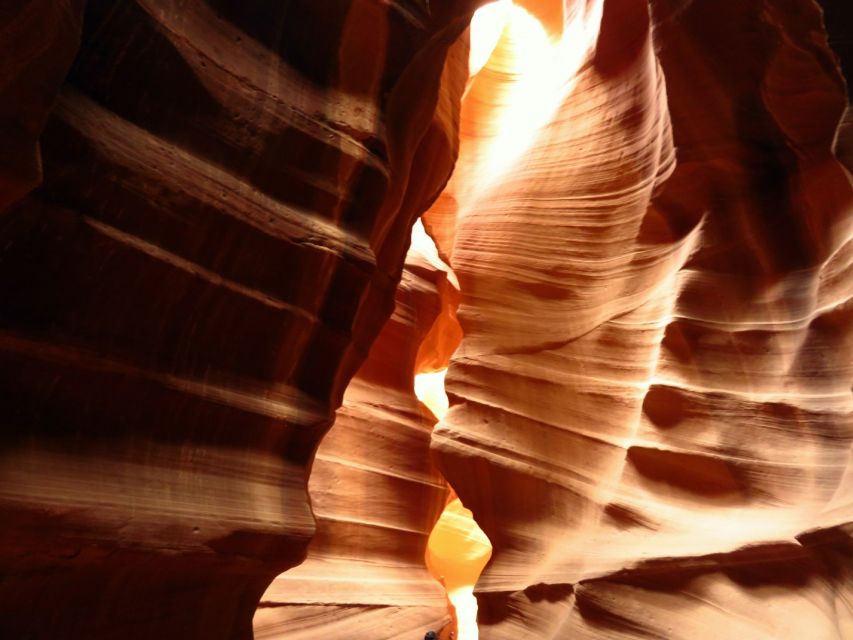
This is a “big sights, one day” trip. The value isn’t just that you’ll see Antelope Canyon—it’s that you’ll connect it to the broader region: volcanic peaks near Flagstaff, the Colorado Plateau, and the river-and-lake systems around Page and Glen Canyon.
At $311 per person, it’s not cheap, but it’s also not random. You’re paying for door-to-door pickup, roundtrip van transport, an English live guide, water, and access to a guided slot canyon experience on Navajo land. When a tour includes transportation across a long distance and a guided canyon portion (plus time at other major viewpoints), the price usually makes more sense than if you tried to stitch it together yourself.
The group size matters too. With a maximum of 14 people, you can actually follow along. Names show up in the way the guides run the day—people reported guides like Sheldon, Al, Bryan, Kurt, and Jeff keeping things moving, organized, and safe.
You can also read our reviews of more tours and experiences in Sedona

Pickup, Van Ride, and Why the Long Day Feels Worth It
You’ll get hotel pickup from Flagstaff or Sedona. There’s a 30-minute pickup window, so build in a little patience and have your hotel’s lobby plan ready.
The total time is listed as 630 to 690 minutes. That’s long enough that you’ll feel the day in your legs and energy levels, even if you’re fit. But the trade-off is you get more variety than you would with a short canyon-only outing.
One thing I like about this format: it turns the drive into part of the education. You’ll pass viewpoints and talk through how this region fits together—volcanic mountains, plateau elevation, carved rock, and river systems. That matters because Antelope Canyon isn’t just a pretty crack in the earth; it’s part of a much larger geologic story.
Oak Creek Canyon and the San Francisco Peaks: The Start That Sets the Tone
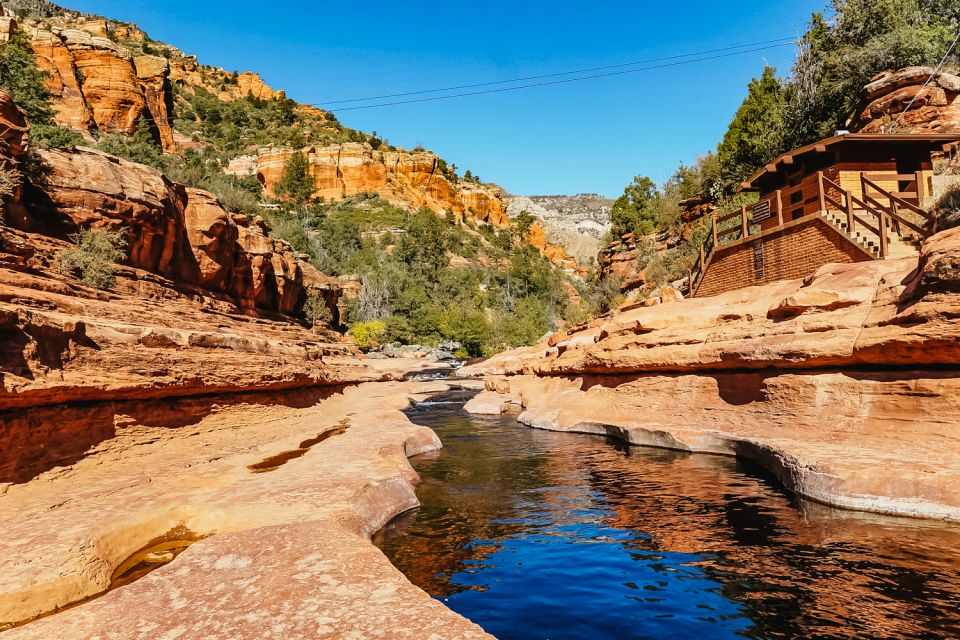
If you’re joining from Sedona, you’ll experience the Oak Creek Canyon scenic drive early. The route climbs from about 4,500 feet up toward roughly 7,500 feet, landing you closer to Colorado Plateau elevations.
Why this matters: that elevation shift gives you a first taste of why northern Arizona feels so different over short distances. It also helps build anticipation. When you later reach the canyon narrows, you’ve already been “thinking in rocks” for hours.
You’ll also catch views of the San Francisco Peaks, Arizona’s largest volcanic mountain range. The tallest point reaches about 12,600 feet. Even if you don’t memorize the numbers, you’ll understand what your guide is pointing at—massive, volcanic roots contrasted with carved sandstone forms later in the day.
This is one of those parts that’s easy to skip if you only care about photos. But if you enjoy learning while you travel (and you want your day to feel like more than a checklist), the climb and the peak views do real work for the experience.
Horseshoe Bend and Glen Canyon Views: The Iconic Detour
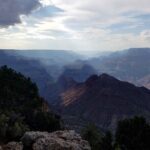
Next comes the famous Horseshoe Bend. It’s described as a clifftop walk and viewpoint overlooking the Colorado River. This stop is iconic because you get that near-perfect horseshoe shape from a vantage point that feels both dramatic and manageable.
A bonus: the tour includes views of Lake Powell and Glen Canyon. Even if you’re not the type to study hydrology facts, seeing how the river and reservoir system sits in this canyon country gives Antelope Canyon more context. You start thinking: water carves everything, just at different scales and timescales.
Also, you’ll drive by distant views of the Painted Desert. This one is “from the van,” not a long hike, but it’s a nice reminder that the area’s color palette is doing the heavy lifting long before you ever reach the narrows.
Antelope Canyon: What the Navajo-Guided Narrows Feel Like
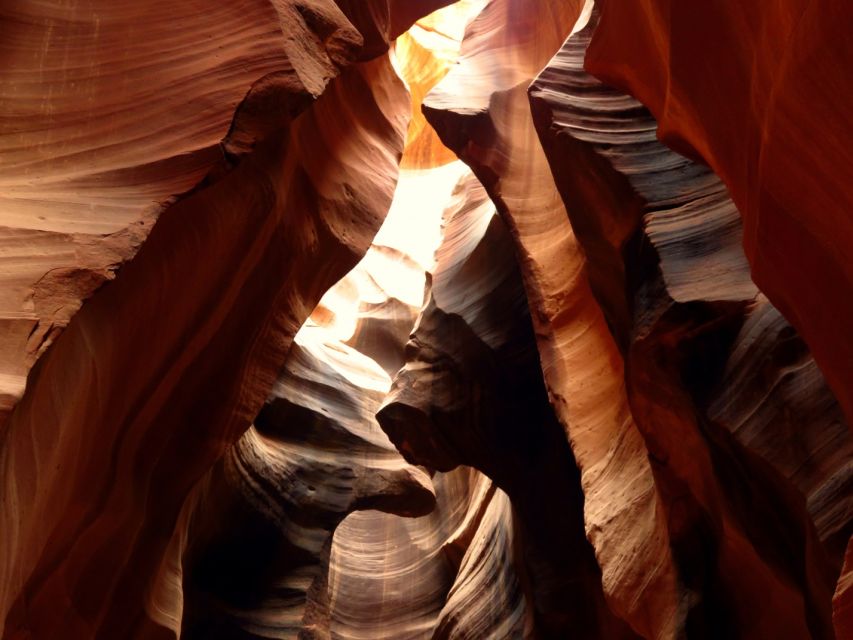
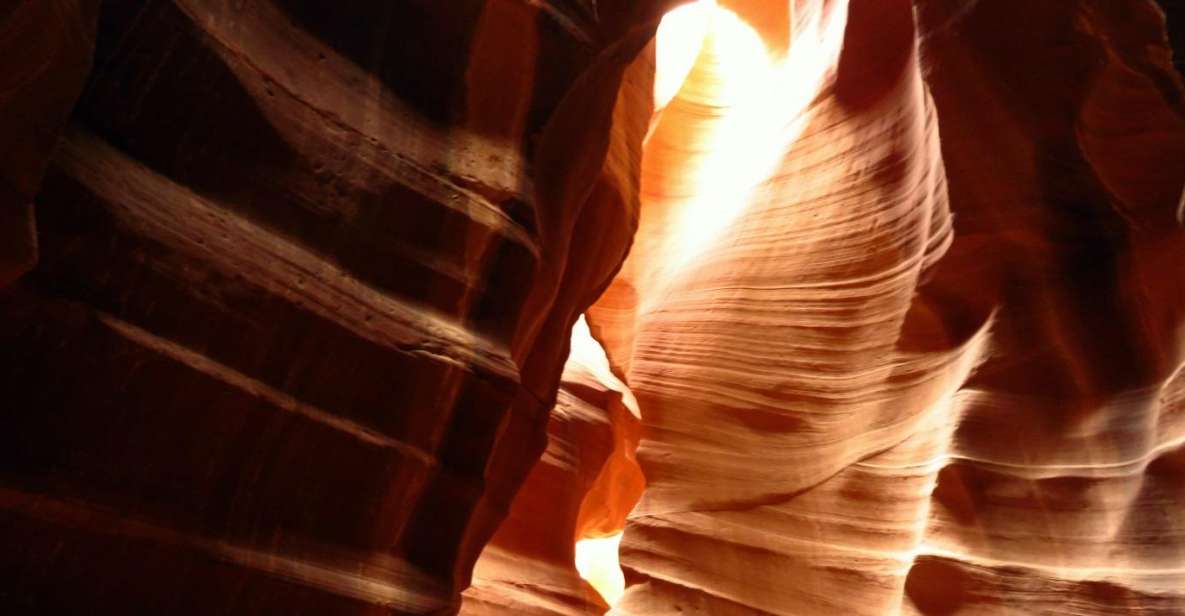
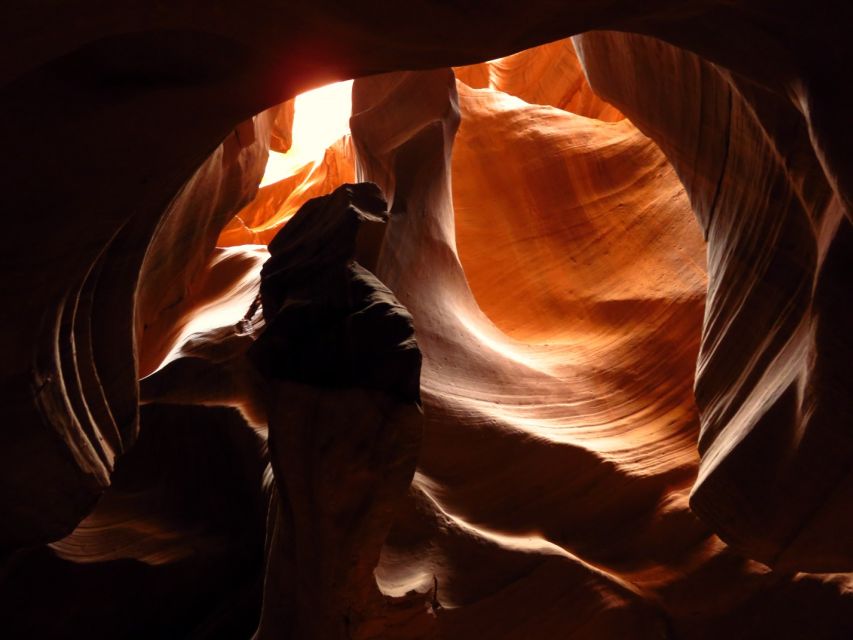
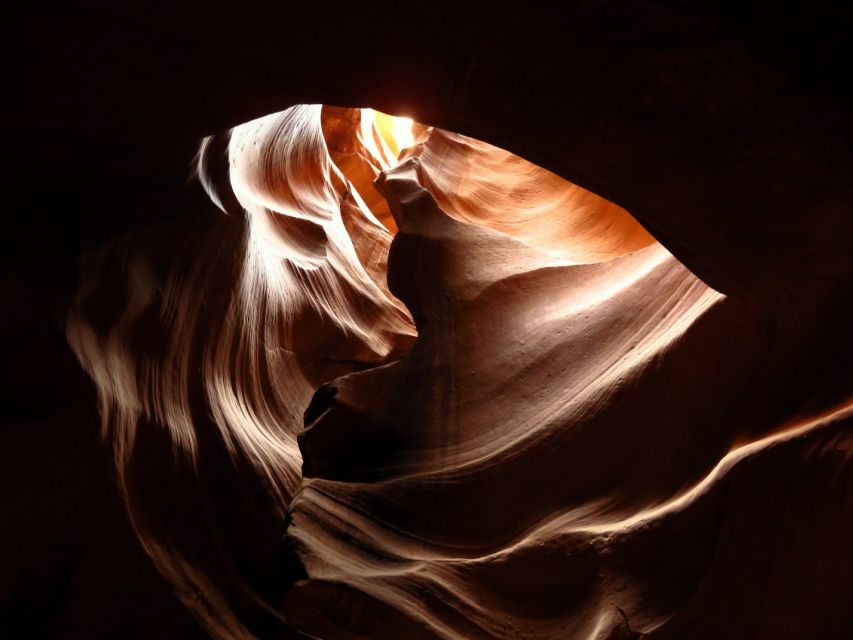
This is the main event: a guided tour into Antelope Canyon, described as a water-carved slot canyon on Navajo land east of Page. The canyon walls create light effects you don’t really get anywhere else—sun rays reflecting into the narrow corridors and color shifts that can look orange, yellow, blue, and purple depending on conditions.
The big reason to book this with a guide is the human layer. You’ll learn about Antelope Canyon from a Navajo guide, with natural history and cultural context woven into what you’re seeing. Slot canyons can feel like a pure photography product if you go without guidance. With the right guide, it becomes a story you can actually follow.
You’ll also walk on uneven, unpaved terrain for about 90 minutes. That’s long enough that your shoes matter and your pace matters. The tour also notes it can be cool in the slot canyon, so bring a warm layer even in warm season.
A practical tip: plan your day around footing. If you rush, you’ll miss details and you’ll feel it in your legs. If you slow down, you’ll enjoy the formations up close and you’ll get more from the explanations.

Cameron Trading Post: A Stop That’s More Than a Gift Shop
Between canyon moments, you’ll stop at the historic Cameron Trading Post for time to shop Native American art.
This stop is a good rhythm break. It’s also a chance to buy something tied to the region rather than a generic souvenir. The tour doesn’t push you into a long browsing marathon; you get allotted time to check things out, ask questions, and decide if anything feels worth taking home.
If you’re trying to travel smarter—buying fewer items, but with stronger meaning—this is a solid option. Just remember: your best photos and canyon time are still ahead, so don’t turn this into a two-hour detour.
Lunch on Your Own: How to Make It Work on a Long Day
The tour includes time allotted for lunch on your own. That sounds simple, but on a day this long, it can make or break your energy.
Because the itinerary is packed, I suggest you treat lunch like fuel, not like a deep culinary quest. Eat something you know you’ll tolerate in dry heat, and keep water in mind (water is included, but you’ll still feel better if you manage thirst).
If you’re sensitive to timing, come prepared with flexibility. Long tours often mean lunch windows are tight, and the whole day is scheduled around canyon access and transit between sites.
Guide Styles: What You Gain From the People Running the Day
One of the most praised parts of this experience is the quality of the live guides—both the driver/host for the day and the Navajo guide in Antelope Canyon.
Names that came up include Sheldon, Al, Bryan, Kurt, Jeff, Charlie, Brad, Leonard, Allen, Debbie, Mario, Kathryn, Lynn, and JR. The pattern isn’t just that they’re friendly—it’s that they manage timing and keep guests comfortable while still sharing real information.
You can also feel this in the way people describe the day as relaxing, safe, and well-paced even though it’s physically demanding. That’s a big deal for a long itinerary with uneven walking. When the guide calls out what to expect and helps everyone stay together, the canyon feels less stressful.
If you’re the type who likes explanations—about geology, plants, native culture, or why viewpoints look the way they do—this tour gives you that without turning it into a lecture.
Physical Considerations: Who Should Think Twice
This trip is rated not suitable for wheelchair users and isn’t recommended if you have back problems, mobility impairments, or heart problems. There’s also a restriction that the third-party provider does not permit women more than 5 months pregnant on this tour, and it does not permit children under 5.
Beyond the health notes, be honest about your comfort with uneven ground. The canyon portion includes walking on unpaved, uneven terrain for a sustained period. Even if you’re okay with stairs or short hikes, slot canyon footing can feel different.
If any of those apply to you, consider a less intensive alternative.
What to Bring (and What to Wear) for Antelope Canyon Comfort
The basics matter here because the slot canyon cools down fast.
Bring:
- Weather-appropriate clothing
- Hiking shoes or tennis shoes with good grip
- A warm outer layer for the slot canyon
Also:
- Wear comfortable clothes you can move in.
- Keep your daypack simple. If you’re juggling too much gear, you’ll feel it during uneven walking.
And a reminder that can get missed: dogs aren’t permitted, including service dogs.
Price and Value: Is $311 Worth It?
For this area, the main cost drivers are transportation distance, guided access, and the long packed schedule.
You’re getting:
- Hotel pickup and drop-off
- Roundtrip van transportation
- An English live guide
- Water
- Navajo-guided Antelope Canyon experience
- Stops at major viewpoints and Cameron Trading Post
If your alternative is driving yourself and arranging everything, you’d still deal with long transit time and timing constraints for canyon entry. This tour bundles the hard parts. That’s why many people land on it as a good spend even though it’s pricey.
The one value check I’d ask you to make: are you genuinely excited to spend a full day in transit and on foot? If you only want a quick canyon fix, then $311 feels heavier. If you want the whole “Arizona by layers” day—plateau views, river views, then narrows—then the price starts to look like it earns its keep.
Should You Book This Antelope Canyon Full-Day Tour?
Yes, if you:
- Want the slot canyon experience with a Navajo guide, not just a self-guided photo stop
- Like a full itinerary with multiple major sights in one day
- Can handle a long day and uneven, unpaved walking for about 90 minutes
- Prefer a small group (14 max) over huge bus chaos
Pass or rethink if you:
- Need an accessibility-friendly plan
- Have significant back, mobility, or heart concerns
- Don’t want a packed schedule or long drive time
If your goal is a once-in-a-lifetime canyon moment plus the “this region makes sense” context from peak views to Horseshoe Bend, this is a strong bet.
FAQ
How long is the Antelope Canyon full-day tour?
It runs about 630 to 690 minutes (roughly 10.5 to 11.5 hours). Check availability for starting times.
Where does pickup happen?
Pickup is included from your hotel in Flagstaff or Sedona. There’s a pickup window of 30 minutes.
How big is the group?
The tour is limited to a small group with a maximum of 14 participants.
Is water provided?
Yes. Water is included.
What should I bring for Antelope Canyon?
Wear weather-appropriate clothing and hiking shoes (or tennis shoes). Bring a warm outer layer, since it can be cool in the slot canyon.
How much walking is involved?
You’ll walk on uneven, unpaved terrain for about 90 minutes.
Is lunch included?
Lunch is not included. Time is allotted for you to eat on your own.
Are there restrictions for children, pregnancy, or pets?
The tour does not permit children under 5 and does not permit women more than 5 months pregnant. Dogs are not permitted, including service dogs. Also, Arizona state law requires children eight years and younger to use a car seat/booster seat (you provide it).