REVIEW · SEDONA
Hopi Lands: Full-Day Archaeology and Culture Tour
Book on GetYourGuide →Operated by Arizona Tour & Travel · Bookable on GetYourGuide
Sedona’s drive turns into a lesson. This full-day Hopi Lands tour runs about 12 hours and stitches together three different Hopi mesa village settings, sweeping scenery like Oak Creek Canyon and the Painted Desert, plus hands-on chances to meet makers. You start on the road through Diné Bikéyah (Navajoland) before settling in Hopi territory, where the focus stays on Hopi life and traditions.
What I like most is how much you actually do with your eyes and ears. You’re not just passing viewpoints; you stop for a Hopi meal at the Hopi Cultural Center on Second Mesa, visit the Hopi Museum and Art Gallery, and then end with a walking visit in Walpi on First Mesa. The second big win is the small group size: limited to 14 people, so the day feels controlled instead of chaotic.
One thing to plan around: you’ll need to go device-light. Cameras aren’t allowed, and photography is specifically not permitted on Hopi Nation lands, so if you’re the type who documents every detail, you’ll have to shift to notes, sketches, and memory.
In This Review
- Key points at a glance
- Road first, meaning second: the scenery that sets the tone
- Crossing Diné Bikéyah into Hopi land
- Second Mesa at the Hopi Cultural Center: lunch, museum time, and art you can actually talk about
- Artisan visits: from basket making to Kachina dolls (and sometimes silversmith work)
- Visiting Hopi villages on three mesas: what makes the stops matter
- Walpi on First Mesa: the final walk and why it’s the emotional payoff
- Price and value: what you get for $328
- Small-group comfort in a 14-passenger van: the good and the real-world tradeoffs
- Rules to respect on Hopi Nation lands: plan for a phone-free day
- Who should book Hopi Lands (and who might not love it)?
- Should you book Hopi Lands: Full-Day Archaeology and Culture Tour?
- FAQ
- How long is the Hopi Lands tour?
- Where does pickup happen?
- What does the tour cost?
- Is lunch included?
- Are cameras allowed?
- Is the group small?
- Do I need to bring anything for my child?
Key points at a glance
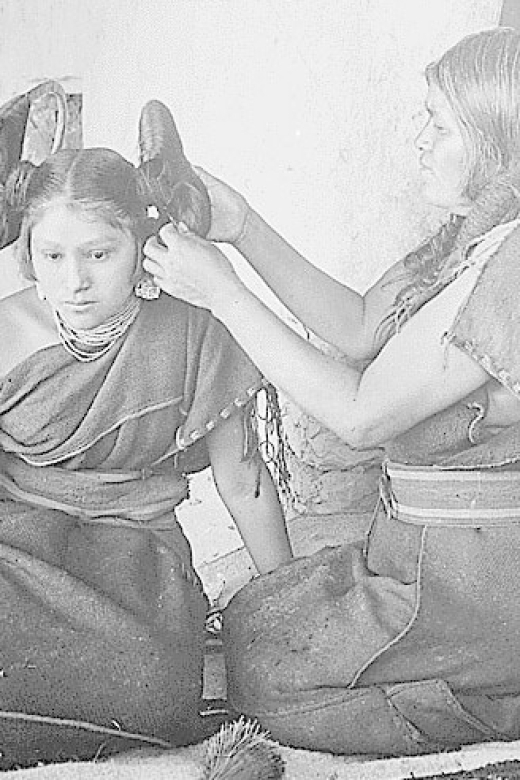
- Oak Creek Canyon scenic drive plus Painted Desert color on the way west.
- Visits to Hopi villages atop all three high rock Hopi Mesas.
- A Hopi-led stop at the Hopi Cultural Center on Second Mesa for lunch, museum time, and art browsing.
- Time with artisans, including basket makers, pottery makers, and Kachina doll carvers.
- A final village walk in Walpi on First Mesa with a Hopi guide.
- No cameras for the day, with extra emphasis on no photography on Hopi Nation lands.
Road first, meaning second: the scenery that sets the tone
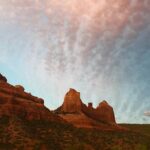
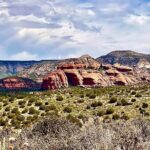
This is a long day, but it doesn’t start with lectures. It starts with driving—seriously driving—out of Sedona on a route that includes Oak Creek Canyon, one of the top scenic drives in the U.S. If you’ve ever looked at Arizona maps and thought it must all look the same, this is where the idea gets corrected fast. The canyon gives you that big, layered “road through time” feeling, with cliffs and changing light that make the pace feel slower, even when the van is rolling.
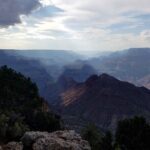
Then the tour turns your attention to the Painted Desert, where the landscape looks like someone used a box of crayons and actually meant it. Colors shift as you move, and the land looks differently textured depending on where the light lands. It’s more than a photo stop (and yes, you can’t use a camera anyway). It’s about learning how to look—and that’s useful later when you’re watching cultural and craft demonstrations.
If you’re prone to motion sickness, this route is long enough that you’ll want to be prepared. The canyon and mesa approach roads can be a lot for an unprepared stomach. Bring what you normally use.
You can also read our reviews of more tours and experiences in Sedona


Crossing Diné Bikéyah into Hopi land
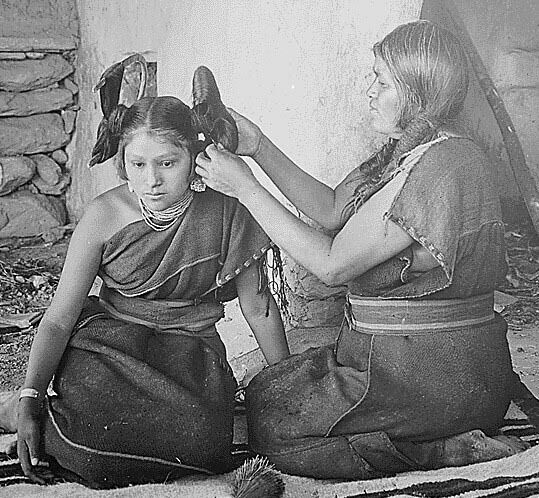
Before you reach the Hopi mesas, you travel across Diné Bikéyah, which is Navajoland. That matters because the route isn’t random. This day has a geographic storyline: you’re moving through major cultural and historical regions of the Southwest, then arriving in Hopi Nation lands where the tour’s tone changes to guided, respectful, and community-focused.
The Hopi people’s presence in the Southwest is described as spanning more than 2,000 years. Whether you’re deep into archaeology or you’re just curious, this framing helps. Instead of treating the Hopi Mesas as scenery, you start treating them like living places—homes, community sites, and cultural centers with traditions that aren’t frozen in the past.
And because the tour goes to villages on all three high rock Hopi Mesas, you’ll feel the difference that elevation and location create. The mesas aren’t interchangeable. The sites have their own character, and the Hopi guides explain traditions in a way that’s tied to where you are standing.
Second Mesa at the Hopi Cultural Center: lunch, museum time, and art you can actually talk about
By the time you reach Second Mesa, the day shifts from driving-and-looking to a more grounded pace. Your included meal comes at the Hopi Cultural Center of the Indian Nation on Second Mesa. It’s not a buffet-and-bail scenario. You eat with your guide, and the meal is wrapped in the larger goal of understanding Hopi culture as something lived, organized, and taught.
After lunch, you head into Hopi Museum and Art Gallery time. This is the part I think people underestimate. A museum stop can be either a quick walk-through or a meaningful moment. Here, it works because you’ve already been riding the route, thinking about the mesas, and hearing context. The museum and gallery aren’t the first place you learn what you’re seeing; they’re where the day starts to connect.
Shopping time is part of the plan too, with a chance to browse work from indigenous artists. That’s where you can slow down and ask practical questions: What materials are used? How is a pattern made? What does a motif mean? Because the day is focused on Hopi communities, you’re not just collecting souvenirs; you’re buying pieces that represent skills and family knowledge.
Important practical note: no cameras. That means you’ll want to use your eyes well and then rely on your guide for any details you really want remembered. If you love details, bring a notebook.
Artisan visits: from basket making to Kachina dolls (and sometimes silversmith work)
A highlight of the day is meeting artisans. The tour includes time with basket makers, pottery makers, and Kachina doll carvers. This is where craft becomes history you can point to. You’re seeing the craft process tied to daily life and community teaching, not just watching a performer for entertainment.
One reason this stop tends to hit hard is that it changes your pace. On a scenic drive, you can look quickly and move on. At an artisan demonstration or visit, you watch longer because you’re trying to understand the steps. It’s the difference between seeing and learning.
In examples from past departures, the artisan portion may include a Hopi silversmith visit, such as a stop where you can meet someone like Riley, watch jewelry-making in his home, and see pieces connected to clan identity. You might even have time to purchase items that reflect that personal and cultural stamp. If your interest is jewelry or metalwork, this is the kind of add-on that can make the day feel extra specific.
Because cameras aren’t allowed, these artisan interactions rely on conversation and observation. That can actually be a good thing for you. You won’t be stuck behind a screen. You’ll be taking in the real materials, real tools, and real hands-on skill.
Visiting Hopi villages on three mesas: what makes the stops matter
The core structure of the tour is visiting Hopi villages located atop three different mesas—all part of the destination: the Hopi Nation and Reservation. You’re not just seeing one settlement. You’re getting a day that compares how community life is expressed across different mesa settings.
Here’s what that means for you: it’s easier to understand the Hopi worldview when you’re physically moving between places. You can feel how the terrain shapes daily movement, gathering, and the location of important community spaces. A guide’s explanations land better when you’ve stood in more than one setting.
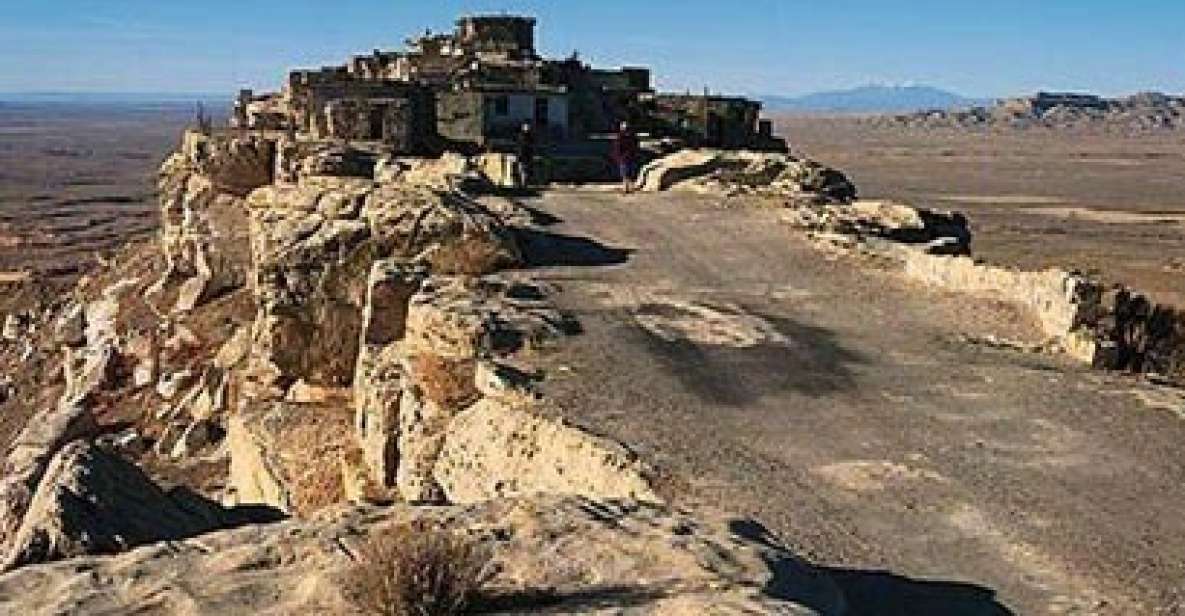
The most original of the Hopi settlements is noted as Walpi on First Mesa, which is also described as the oldest continually inhabited village in North America. Whether you’re measuring that claim with academic precision or just absorbing the meaning, the point is clear: this is not a staged set. You’re walking into a living village where traditions continue in present time.



Walpi on First Mesa: the final walk and why it’s the emotional payoff
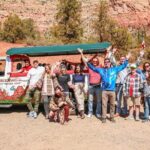
The last stop is Walpi on First Mesa, and the tour includes a walk with a Hopi guide who shares traditions and context as you move. This is the segment where the day often feels most personal. You’ve spent hours seeing craft and learning about history, but now you’re slowing down enough to let the information stick.
In practice, this kind of village walk is a balance. You want to look, listen, and respect space. You also want to keep your questions thoughtful instead of rushing the conversation. The best experience comes when you treat the walk like a guided cultural lesson rather than a sightseeing circuit.
One more practical thing: First Mesa village walks are on terrain that can be uneven. Wear shoes you trust. Skip anything that pinches. If you’re visiting in warm months, plan for sun and a long day, even though lunch and water are included.
And again, remember the camera rule. If your brain keeps reaching for your phone, train it now to switch modes. Bring the habit of listening and noticing.
Price and value: what you get for $328
At $328 per person for a 12-hour day, this tour isn’t bargain-bin pricing. But it also isn’t just a long van ride with generic stops. The price includes complimentary Sedona and Flagstaff hotel pickup (Flagstaff pickup is limited to within city limits), plus all entry fees, permits, and taxes. You also get lunch and water and the structure of a small group limited to 14 participants.
So where does the money really go? Two places. First, into access: village visits and museum/gallery entry are part of the deal. Second, into the guided interpretation that helps you make sense of what you see. In past departures, guides like David and other Hopi-connected knowledge holders (and in at least one case, someone such as Brian, raised as a Navajo with deep personal understanding) helped turn geology, history, and daily culture into an actual story you could follow.
If you want “I saw stuff” value, you might find this price heavy. If you want “I understand what I saw” value—plus the chance to meet artisans and spend time on village grounds—then it can feel fair.
Small-group comfort in a 14-passenger van: the good and the real-world tradeoffs
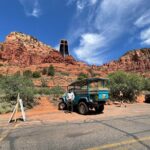
This tour uses fourteen passenger touring vans, and with a group capped at 14, you generally get a calmer experience than with bigger bus groups. You’re also close enough that you may be able to ask questions during the day, assuming the guide is able to pause and respond.
One possible drawback is simple physics: road noise and long drives can make it harder to hear everything, especially from the back seats if the van doesn’t have strong audio. If you tend to miss details when you can’t hear clearly, choose a seat closer to the front when you get the chance.
Also, since it’s a long day, you’ll want to bring your own comfort habits: water use is covered, but you still need a mindset for hours of driving, walking, and sun.
Rules to respect on Hopi Nation lands: plan for a phone-free day
The tour clearly states cameras aren’t allowed. It also emphasizes that, out of respect for the ways and wishes of the Hopi people, photography isn’t permitted on Hopi Nation lands. That means you should assume you won’t be taking pictures anywhere during the Hopi portion, and you should follow the day’s no-camera rule overall.
For you, that changes how to prepare. If you love photography, you’ll be happier treating this like a listening and learning trip. Bring a notebook. Use your phone for maps or notes only if that’s allowed by your comfort level, but don’t count on recording images.
Respect is part of the experience design here. You’re visiting living communities, not an open-air theme park. Quiet attention goes a long way.
Who should book Hopi Lands (and who might not love it)?
Book this if you want a culture-first day in the Southwest, not just scenic driving. You’ll likely enjoy it most if you:
- like small-group interpretation (up to 14 people)
- want to understand mesa villages through a guided walk and museum/gallery visits
- care about meeting artisans—basket makers, pottery makers, and Kachina doll carvers
You might think twice if:
- you absolutely need cameras for your trip style
- you get frustrated by long drives and prefer short, focused stops
- you want a “choose your own adventure” day; this is structured and guide-led
One more planning detail: it departs on Tuesday only. There’s also a required minimum of 4 participants, with other departure days sometimes available for group sizes of 4–14 by inquiry. If your schedule is fixed, check that Tuesday timing fits early.
Should you book Hopi Lands: Full-Day Archaeology and Culture Tour?
I think this is a strong choice when you want more than views. The mix of Oak Creek Canyon, Painted Desert scenery, Second Mesa museum and lunch, artisan meetings, and a guided Walpi village walk makes the day feel like a real learning arc rather than a string of stops. At $328, the price makes sense if the focus on Hopi community interpretation is what you’re after.
Skip it if cameras are non-negotiable for you, or if long drives and a quiet, respectful pace don’t match your style. If they do match, this is the kind of Southwest day that tends to stick with you long after the drive dust settles.
FAQ
How long is the Hopi Lands tour?
The tour duration is 12 hours.
Where does pickup happen?
Pickup is included from hotels in Sedona City Limits. Flagstaff pickup is included only within city limits.
What does the tour cost?
The price is $328 per person.
Is lunch included?
Yes. Lunch and water are included.
Are cameras allowed?
No. Cameras aren’t allowed, and photography is not permitted on Hopi Nation lands.
Is the group small?
Yes. It’s a small group, limited to 14 participants.
Do I need to bring anything for my child?
If you have children eight years and younger, you must provide your own car seat/booster seat for the tour.